Delhi High Court Issues Clear Directive in Turkman Gate Violence Case
In a significant development, the Delhi High Court has explicitly instructed the Delhi Police to refrain from arresting bystanders in connection with the Turkman Gate violence case. This oral observation was made by Justice Prateek Jalan during a hearing on Thursday, February 6, 2026, while considering an anticipatory bail application filed by an individual accused of instigating the crowd during the incident.
Court's Emphasis on Distinguishing Roles
Justice Jalan underscored the critical need for law enforcement agencies to meticulously differentiate between those actively involved in instigating violence and mere bystanders who happened to be present at the scene. The court highlighted that indiscriminate arrests could lead to the wrongful targeting of innocent individuals, thereby undermining the principles of justice and fair investigation.
The judicial observation came in response to a plea seeking anticipatory bail from a person implicated in the case for allegedly provoking the crowd. While the court did not grant bail at this stage, it took the opportunity to issue a broader directive aimed at preventing potential misuse of police powers.

Background of the Turkman Gate Incident
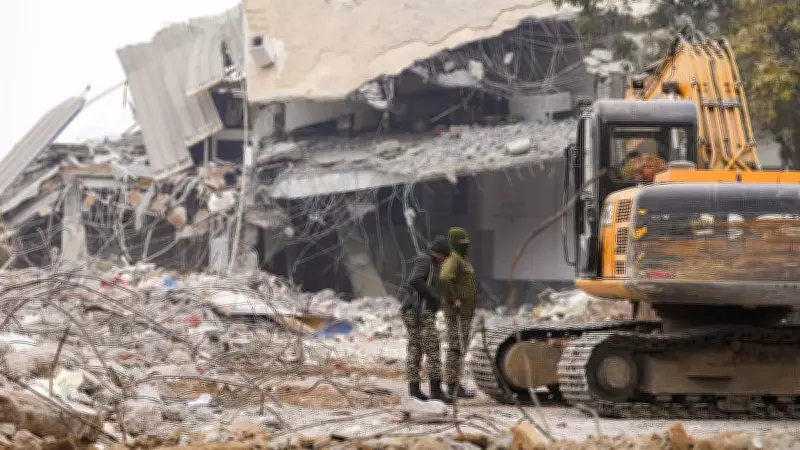
The Turkman Gate violence case stems from a reported clash that occurred in the historic Turkman Gate area of Delhi, which has previously been a site of communal tensions and political demonstrations. Details of the specific incident leading to the current legal proceedings remain under investigation, but it involved allegations of public disorder, property damage, and injuries.
Authorities have been investigating the roles of multiple individuals, with some facing charges related to incitement and unlawful assembly. The case has drawn public attention due to its location in a sensitive part of the capital and concerns over police handling of such situations.
Legal Implications and Police Accountability
The High Court's directive serves as a reminder of the legal safeguards in place to protect citizens from arbitrary arrests. Key points from the hearing include:
- Precision in Investigations: Police must conduct thorough inquiries to identify actual perpetrators rather than rounding up people based solely on presence.
- Protection of Innocents: Bystanders, who may have been caught unintentionally in the turmoil, should not face legal action without concrete evidence of involvement.
- Judicial Oversight: Courts will monitor police actions to ensure compliance with legal standards and prevent overreach.
This ruling aligns with broader judicial trends emphasizing the right to liberty and due process, especially in cases involving public unrest where emotions can run high and investigations may be pressured to show quick results.
Next Steps in the Case
The anticipatory bail plea is scheduled for further hearing, with the court expected to delve deeper into the evidence against the accused. Meanwhile, the Delhi Police have been directed to adhere to the court's observation in their ongoing probe, which could influence how similar cases are handled in the future.
Legal experts suggest that this directive might set a precedent for other violence-related cases, encouraging a more nuanced approach by law enforcement. It also highlights the judiciary's role in balancing security concerns with individual rights, particularly in a bustling metropolis like Delhi where public gatherings are common.
As the investigation progresses, stakeholders, including civil society groups and legal advocates, will be closely watching to see how the police implement the court's guidance and whether it leads to more targeted and fair outcomes in this high-profile case.