

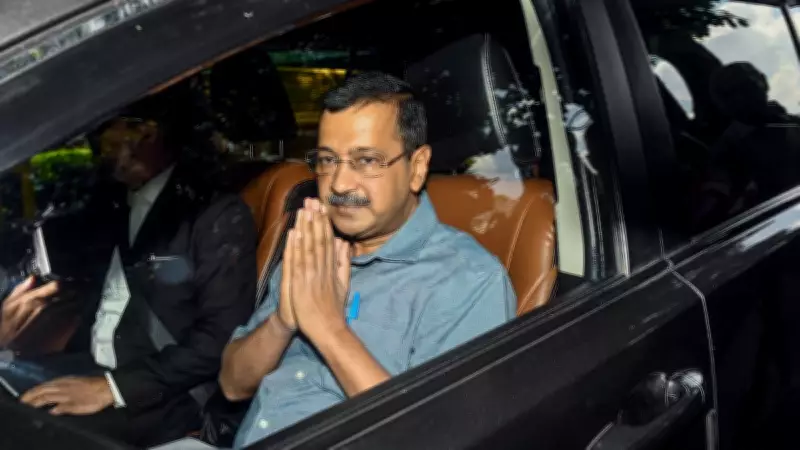
Delhi High Court Issues Notice to CBI in Kejriwal's Excise Policy Case Plea
The Delhi High Court has taken a significant step in the ongoing legal proceedings surrounding the excise policy case by issuing a formal notice to the Central Bureau of Investigation (CBI). This action comes in response to a plea filed by Delhi Chief Minister Arvind Kejriwal, who is seeking legal recourse in the matter. The court's decision to serve notice to the CBI underscores the judicial scrutiny being applied to this high-profile case, which has garnered widespread attention due to its political and legal implications.
Details of the Court's Notice and Next Hearing
In its ruling, the Delhi High Court directed the CBI to respond to Kejriwal's plea, which challenges aspects of the investigation into the excise policy. The notice requires the agency to present its stance and any relevant evidence or arguments by the next scheduled hearing. This procedural move is a standard part of legal proceedings, ensuring that all parties have an opportunity to be heard before the court makes further determinations.
The next hearing in this case has been firmly set for April 13, 2026, providing a clear timeline for the continuation of the legal process. This date allows both Kejriwal's legal team and the CBI ample time to prepare their respective cases, gather necessary documentation, and formulate their arguments. The extended timeline also reflects the complexity of the excise policy case, which involves detailed financial and regulatory examinations.

Background on the Excise Policy Case and Kejriwal's Involvement
The excise policy case centers on allegations of irregularities and potential misconduct in the formulation and implementation of Delhi's excise policy. Arvind Kejriwal, as the Chief Minister of Delhi, has been a key figure in this controversy, with the CBI investigating possible violations. Kejriwal's plea to the Delhi High Court is part of his legal strategy to address these allegations, potentially seeking to dismiss or challenge the investigation's findings.
This case has significant political ramifications, as it involves a sitting chief minister and touches on issues of governance and accountability. The Delhi High Court's involvement highlights the judiciary's role in overseeing such matters, ensuring that legal standards are upheld. The issuance of the notice to the CBI is a critical development, as it moves the case forward in the judicial system and sets the stage for further legal arguments and potential resolutions.
Implications and Future Proceedings
The notice from the Delhi High Court to the CBI marks a pivotal moment in the excise policy case, as it formalizes the court's engagement with Kejriwal's plea. This step could lead to various outcomes, including possible hearings on the merits of the case, further investigations, or even a dismissal if the court finds the plea lacking in legal grounds. The CBI's response will be closely watched, as it will shape the direction of the proceedings.
As the case progresses, stakeholders from political, legal, and public spheres will be monitoring developments closely. The next hearing on April 13, 2026, is expected to be a key event, potentially involving submissions from both sides and preliminary rulings from the court. This timeline ensures that the legal process is thorough and deliberate, aiming to deliver a fair and just outcome based on the evidence and arguments presented.






