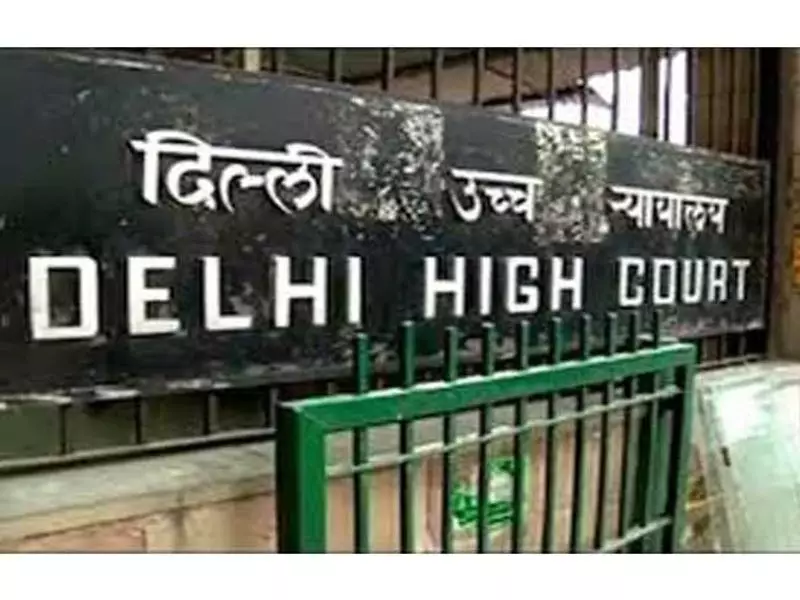
The Delhi High Court has directed the Delhi government to formally respond to a furlough application filed by Balwan Khokhar, a convict serving life imprisonment for his role in the brutal 1984 anti-Sikh riots. This development marks another chapter in the long-standing legal proceedings surrounding one of independent India's darkest episodes.
Court Proceedings and Government Deadline
During a recent hearing, a bench of the High Court gave the Delhi government a specific timeframe to submit its reply regarding Khokhar's request for temporary release. The court has scheduled the matter for further consideration on July 9, 2024, indicating the judicial system's continued engagement with this historic case.
The plea was presented before Justice Sudhir Kumar Jain, who oversees the case. The court's intervention came after Khokhar's legal team highlighted that the state government had not yet taken a decision on his furlough application, prompting the judicial directive for an official response.
Background of the 1984 Anti-Sikh Riots Case
Balwan Khokhar's conviction stems from his involvement in the 1984 violence that followed the assassination of then Prime Minister Indira Gandhi. The riots resulted in the deaths of approximately 3,000 Sikhs in Delhi alone, with many more affected across the country.
In 2018, a trial court delivered a significant verdict, sentencing Khokhar to life imprisonment for his participation in the murder of five members of a Sikh family in the capital's Raj Nagar area. The court found him guilty of multiple charges, including murder and promoting enmity between different groups.
Along with Khokhar, another individual, Yashpal Singh, received the death penalty for his role in the same case, while a third accused, former Congress councillor Mahender Yadav, was sentenced to a lesser term of imprisonment.
Legal Journey and Previous Appeals
The legal battle has seen multiple developments since the initial convictions. In 2021, both Khokhar and Singh challenged their sentences before the Delhi High Court, seeking to overturn the trial court's decision. However, the High Court upheld their convictions, reinforcing the lower court's judgment.
Not satisfied with the High Court's ruling, the convicts took their case to the Supreme Court of India. The country's highest court also dismissed their appeals in 2023, effectively confirming the life imprisonment sentence for Khokhar and maintaining the legal consequences for his actions during the 1984 violence.
The current furlough plea represents the latest legal maneuver in this decades-old case, bringing the focus back to the procedural aspects of the convict's imprisonment and the conditions under which temporary release might be considered.
Understanding Furlough in Indian Law
Furlough differs from parole in the Indian legal system. It is typically granted as a matter of right to prisoners who have served a portion of their sentence, intended to help them maintain family and social connections. Unlike parole, which is considered for specific reasons, furlough is seen as a regular break from incarceration.
The court's decision to seek the government's response indicates the careful consideration being given to Khokhar's application, particularly given the historical significance and sensitivity of the case that shook the nation's conscience nearly four decades ago.
As the July hearing approaches, legal experts and communities affected by the 1984 riots will be watching closely how the Delhi government responds to the court's directive and what implications this might have for other similar cases from that period.