Delhi High Court Demands Action on Alleged Derogatory Social Media Posts
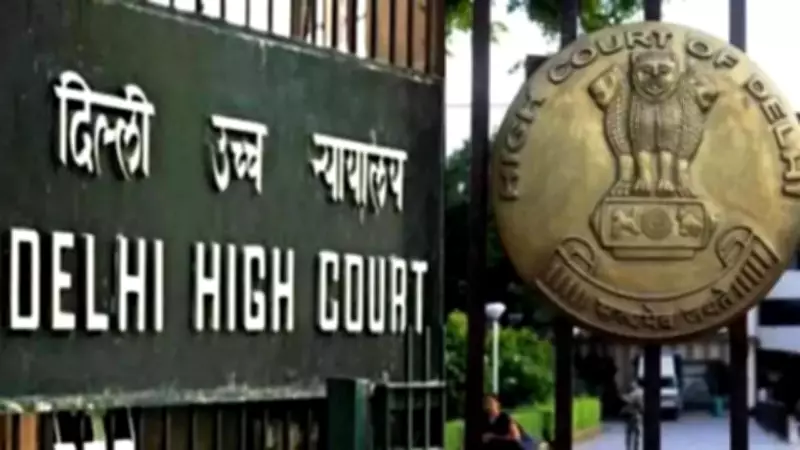
The Delhi High Court has issued a directive to social media platform X, the central government, and the Delhi Police, calling for immediate action regarding alleged derogatory tweets posted by journalist Rana Ayyub. The court has characterized these posts as "derogatory, inflammatory, and communal" in nature, specifically targeting Hindu deities and historical figure Vinayak Damodar Savarkar.
Court Proceedings and Legal Complaint
This judicial intervention stems from a formal complaint filed by advocate Amita Sachdeva, who has accused Rana Ayyub of posting content that not only insults Hindu deities but also spreads what she describes as anti-India sentiment. According to Sachdeva's allegations, one of the contentious posts made malicious claims against Savarkar, labeling him as a terrorist sympathizer.
The court has set a deadline of Friday, April 10 for all involved parties to submit their responses. This includes social media platform X, which must address its role in content moderation, alongside the central government and Delhi Police, who are expected to outline their enforcement and regulatory measures.

Preliminary Observations and Future Steps
It is important to note that the court's remarks were made at a preliminary stage of the proceedings. The bench emphasized that these observations are initial and that further legal actions will be determined once all responses are filed and reviewed. This indicates that the case could evolve significantly based on the submissions from X, government authorities, and law enforcement.
The directive highlights ongoing concerns about hate speech and communal content on digital platforms, particularly in the context of India's legal framework governing online expression. The involvement of multiple stakeholders—from a global tech company to national and local government bodies—underscores the complexity of regulating social media in today's interconnected world.
Broader Implications for Social Media Regulation
This case adds to a growing list of legal challenges facing social media platforms in India, where courts and authorities are increasingly scrutinizing online content for compliance with laws against defamation, incitement, and communal harmony. The outcome could set precedents for how similar cases are handled in the future, balancing freedom of speech with legal responsibilities.
As the April 10 deadline approaches, all eyes will be on the responses from X, the central government, and Delhi Police. Their submissions will likely shape the next phase of this legal battle, potentially leading to hearings, further investigations, or even penalties depending on the findings.