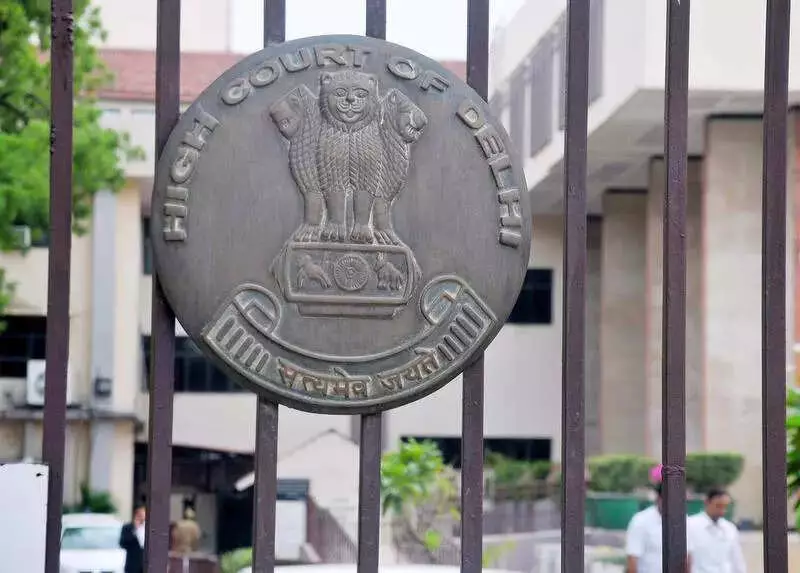
Delhi High Court Mandates Action Plans to Protect Hospital Campers from Extreme Weather
The Delhi High Court has issued a significant directive to the Delhi Urban Shelter Improvement Board, compelling it to develop comprehensive action plans aimed at protecting patients and their attendants who are forced to camp outside major government hospitals from the severe impacts of extreme weather conditions. This judicial intervention comes as a response to the distressing circumstances faced by these vulnerable individuals.
Court's Directive for Annual Contingency Plans
A bench comprising Chief Justice D K Upadhyaya and Justice Tejas Karia has ordered the preparation of two annual short-term contingency action plans. These plans are specifically designed to address the plight of patients and their kin during both heat waves and cold-wave conditions. The court emphasized that these strategies must be implemented following approval from the principal district judge (south) at a coordination meeting, ensuring a structured and supervised approach.
Background of the Suo Motu Petition
The court initiated this suo motu petition after taking cognizance of a news report that highlighted the "pitiable condition" of patients and their relatives camping on the streets while awaiting treatment at the All India Institute of Medical Sciences (AIIMS). This proactive judicial measure underscores the court's commitment to addressing humanitarian concerns and improving the welfare of those in need.
Timeline for Plan Preparation and Implementation
The bench has outlined a clear timeline for the development and execution of these action plans. According to the court's instructions:
- The summer plan must be prepared during the months of January and February, with implementation scheduled for May and June. There is also scope to extend this plan into July and August if necessary.
- The winter plan is to be framed during July and August, with implementation taking place in December, January, and February.
This seasonal approach ensures that measures are timely and responsive to the specific challenges posed by different weather extremes.
AIIMS's Coordinated Welfare Measures
The court noted that AIIMS has submitted a detailed status report outlining various coordinated welfare and support measures for these patients and their attendants. The focus areas identified in the report include:
- Shelter: Providing safe and adequate accommodation.
- Transportation: Facilitating movement within and around the hospital campus.
- Safety: Ensuring the security of patients and attendants.
- Hygiene: Maintaining cleanliness and sanitation at shelter sites.
- Food: Addressing nutritional needs.
- On-ground Monitoring: Implementing regular checks and supervision.
AIIMS reported that it has already operationalized and enhanced shelter facilities at several locations on and around its campus. As of January 22, 750 beds across these sites were fully occupied, indicating the scale of the issue.
Proactive Measures and Improvements
The AIIMS report further detailed proactive measures undertaken in coordination with Delhi Police. Security staff have been actively relocating patients and their attendants from footpaths to designated pagoda shelters. Additionally, free electric shuttle services have been provided for their internal movement, enhancing accessibility and convenience.
Hygiene at all these shelters is being regularly monitored, with directives issued for further improvements. The court appreciated these steps, acknowledging that coordinated efforts have started to yield tangible results. However, it stressed the need for continued supervision and structured planning to prevent future lapses and ensure sustained progress.
This judicial directive marks a crucial step towards safeguarding the well-being of patients and their attendants who face the dual challenges of medical treatment and harsh weather conditions. It highlights the importance of collaborative efforts between judicial authorities, government bodies, and healthcare institutions in addressing complex social issues.