

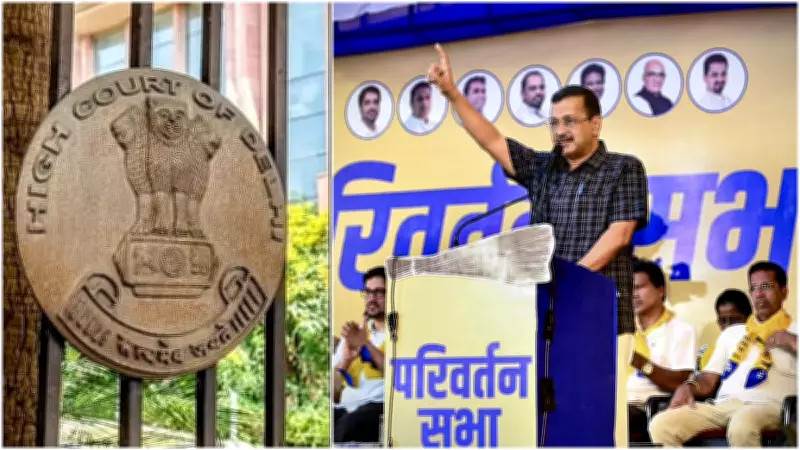
Delhi High Court Administration Directs Removal of Videos from Kejriwal's Hearing
The Delhi High Court administration has issued a directive for the removal of videos from the hearing involving Delhi Chief Minister Arvind Kejriwal. This action follows a formal complaint that seeks disciplinary measures against leaders of the Aam Aadmi Party (AAP). The complaint, filed by Vaibhav Singh, alleges that the sharing of video or audio recordings of judicial proceedings is strictly prohibited under the established rules of the high court.
Complaint Alleges Violation of Court Protocols
In his detailed complaint, Vaibhav Singh emphasized that the dissemination of such recordings contravenes the high court's regulations designed to maintain the integrity and confidentiality of judicial processes. The complaint specifically calls for action against AAP leaders who may have been involved in sharing or promoting these videos, arguing that such behavior undermines the sanctity of the court and could influence public perception unfairly.
The Delhi High Court's rules explicitly forbid the recording or distribution of audio and video from court proceedings to prevent any potential misuse or misinterpretation. This move highlights the court's commitment to upholding legal standards and ensuring that judicial matters are handled with the utmost propriety.

Implications for Political and Legal Spheres
This development has significant implications for both the political landscape and legal framework in Delhi. As a high-profile figure, Arvind Kejriwal's legal battles often attract widespread media attention, making the enforcement of court rules crucial to avoid any undue influence or sensationalism. The complaint and subsequent directive underscore the ongoing tensions between political activism and judicial decorum.
Experts note that such incidents could set a precedent for how courts manage digital content related to sensitive cases, especially in an era where social media amplifies every development. The Delhi High Court's swift response demonstrates its vigilance in protecting the judicial process from external interference.
As the situation unfolds, stakeholders are closely monitoring the outcome of the complaint and any further actions taken by the court. This case serves as a reminder of the delicate balance between transparency in public affairs and the need to respect legal boundaries.






