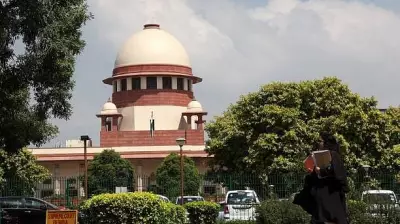
Delhi High Court Mandates Removal of Defamatory Social Media Content
The Delhi High Court has issued a significant order directing social media platforms to take down posts and content that falsely link the daughter of Union Minister Hardeep Singh Puri to the late financier and convicted sex offender Jeffrey Epstein. This ruling comes in response to a plea filed by the minister's daughter, who sought legal protection against malicious and defamatory online material.
Court's Emphasis on Privacy and Misinformation
In its judgment, the court strongly emphasized the critical importance of safeguarding individual privacy and curbing the spread of misinformation. The bench noted that the content in question was not only baseless but also highly damaging to the reputation and personal life of the individuals involved. The court stated that such unfounded allegations can cause severe emotional distress and social harm, warranting immediate legal intervention.
Details of the Court Order
The court's order specifically targets various social media platforms, including but not limited to X (formerly Twitter), Facebook, and Instagram. It requires these platforms to promptly identify and remove any posts, comments, or shares that propagate the false connection. The platforms have been instructed to employ their content moderation mechanisms to ensure compliance and prevent the re-upload of similar material.
Key aspects of the order include:- Immediate takedown of all identified defamatory content.
- Implementation of measures to block future uploads of similar posts.
- Submission of a compliance report to the court within a specified timeframe.
Background and Legal Proceedings
The case was filed after several social media users began circulating posts alleging a connection between Hardeep Singh Puri's daughter and Jeffrey Epstein, who died in 2019 while awaiting trial on sex trafficking charges. The petitioner argued that these claims were entirely fabricated and aimed at tarnishing her reputation for malicious purposes.
During the hearings, the court examined evidence presented by the petitioner, which included screenshots and links to the offending content. The bench found that the allegations lacked any factual basis and were spread with intent to defame. This led to the issuance of the takedown order to protect the petitioner's rights under Indian law, including provisions related to defamation and privacy.
Implications for Social Media Governance
This ruling is part of a broader trend where Indian courts are increasingly intervening in online spaces to address issues of defamation, harassment, and fake news. It highlights the growing legal scrutiny on social media companies regarding their content moderation policies and their responsibility to prevent the spread of harmful misinformation.
Experts suggest that such orders could set precedents for future cases involving high-profile individuals and online defamation, potentially leading to stricter regulations for digital platforms in India.Response from Involved Parties
As of now, there has been no official statement from Hardeep Singh Puri or his family regarding the court order. However, legal representatives for the petitioner have welcomed the decision, stating it as a victory for privacy rights and a step towards holding social media accountable. The social media platforms involved are expected to comply with the order, though they may have internal processes for appealing such directives.
This case underscores the challenges in balancing free speech with protection against defamation in the digital age, and it may influence ongoing debates about internet governance and legal frameworks in India.