

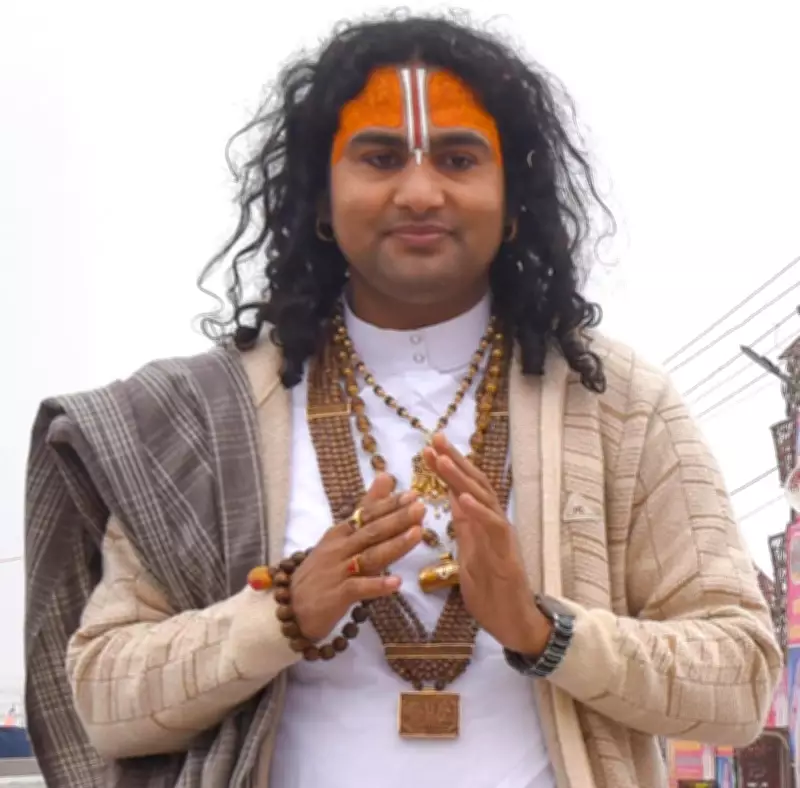
Delhi High Court Issues Landmark Order to Protect Preacher Aniruddhacharya's Personality Rights
In a significant legal development, the Delhi High Court has taken decisive action to safeguard the personality rights of the renowned spiritual preacher Aniruddhacharya, widely recognized by his affectionate moniker 'Pookie Baba'. The court has issued a comprehensive interim order that explicitly prohibits the unauthorized exploitation of his name, distinctive voice, and personal image across various digital platforms.
Court Restricts Creation of Memes, Videos, and AI-Generated Content
The judicial directive, handed down by Justice Tushar Rao Gedela on March 30, firmly restrains individuals and entities from utilizing Aniruddhacharya's persona for creating memes, videos, or any other form of content without explicit permission. This prohibition extends to advanced technological applications, including artificial intelligence (AI) and deepfake content, which have increasingly been used to manipulate public figures' identities.
The order emerged from a lawsuit filed by Aniruddhacharya himself, who sought legal protection against what he described as widespread misuse of his public image. The court's decision is now publicly accessible, marking a precedent in digital personality rights enforcement.

Social Media Giants Directed to Remove Infringing Content
In a move with far-reaching implications for digital content regulation, the Delhi High Court has issued specific directives to major social media platforms. The court ordered Meta (parent company of Facebook and Instagram), X (formerly Twitter), and Google to promptly take down any content identified by Aniruddhacharya that unlawfully uses or imitates his distinctive persona.
This judicial mandate places significant responsibility on these technology giants to actively monitor and remove content that violates personality rights, potentially setting a new standard for platform accountability in India's digital landscape.
Court Recognizes Decades of Spiritual Work and Public Standing
Justice Gedela's order acknowledges Aniruddhacharya's substantial public standing, noting that the preacher has established himself as a well-known and widely accepted public figure through decades of dedicated spiritual teachings. The court observed that his personality, reputation, and goodwill represent valuable assets built over an extensive period of public service and spiritual guidance.
The judicial assessment determined that a strong prima facie case had been established, justifying immediate protective measures to prevent further damage to the preacher's carefully cultivated public image.
Content Deemed Disparaging Rather Than Mere Parody
In a crucial distinction, the court rejected arguments that the contested content constituted harmless parody. Instead, Justice Gedela determined that the material flagged by Aniruddhacharya appeared to be deliberately disparaging and directly infringed upon his personality and publicity rights.
The court emphasized that the threat of damage to his image and reputation was "real and present", requiring immediate judicial intervention to prevent irreparable harm that could not be adequately compensated through monetary means alone.
Legal Principles of Personality Rights Affirmed
The Delhi High Court's order provides a clear legal framework for personality rights protection in the digital age. The court explicitly stated that "the unauthorized use of a person's name, voice, image and mannerisms constitutes an infringement of personality and publicity rights."
This legal principle establishes that individuals, particularly public figures, maintain control over commercial and non-commercial uses of their personal attributes, even in the rapidly evolving digital content ecosystem.
Allegations of Commercial Exploitation and Fraudulent Association
Aniruddhacharya's legal complaint detailed serious allegations against various entities he claims have misappropriated his personality attributes without authorization, license, or consent. According to his submission, these parties have engaged in such activities with the specific motive of deriving illegal commercial gain while free-riding on his immense goodwill, commercial value, and hard-earned reputation.

The preacher further alleged that certain deceptive and fabricated content has been deliberately circulated to create the false impression that he endorses or is associated with fraudulent schemes. This misuse of his image for potentially illegal activities formed a significant part of his argument for immediate judicial protection.
The Delhi High Court's interim order represents a landmark moment in Indian jurisprudence regarding digital personality rights, particularly as they apply to spiritual leaders and public figures in an era of rapidly advancing content creation technologies.





