

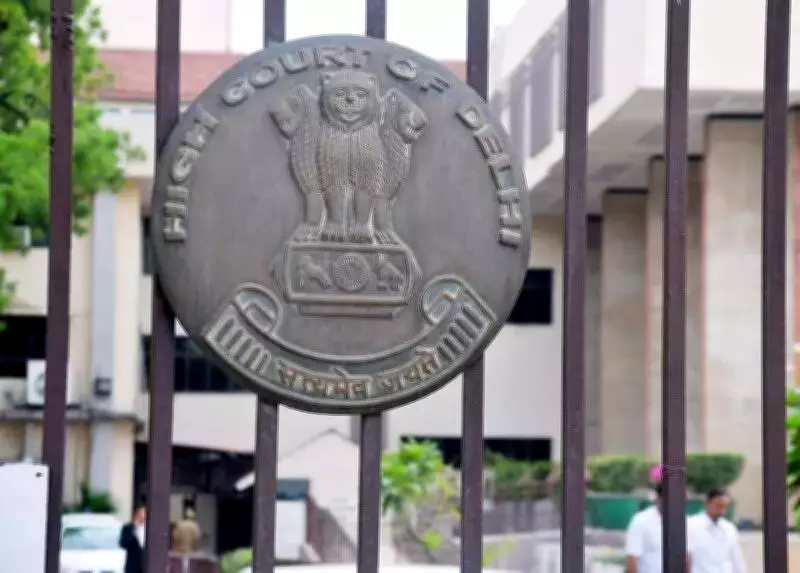
Delhi High Court Rejects Anticipatory Bail in 'Digital Arrest' Cyberfraud Case
In a significant ruling addressing the escalating menace of technology-driven extortion, the Delhi High Court has firmly rejected an anticipatory bail application from an individual accused of orchestrating a sophisticated 'digital arrest' scam. Justice Swarana Kanta Sharma emphasized that granting bail at this juncture would severely obstruct the ongoing investigation, particularly as custodial interrogation is deemed essential to unravel the complete modus operandi and expose any broader conspiracy involved.
Court Cites Supreme Court's Concern Over National Surge in Digital Frauds
The court's order explicitly referenced the Supreme Court of India, which has recently taken suo motu cognizance of the alarming rise in 'digital arrests' executed through fabricated judicial documents. Justice Sharma noted, "Such offences are systematically carried out using advanced technological means to deceive and financially exploit unsuspecting victims. As highlighted by the Hon'ble Supreme Court, these cases are being reported with increasing frequency across the entire country." This observation underscores a growing national crisis where fraudsters leverage digital tools to impersonate authorities and instill fear in their targets.
Details of the Elaborate Cyberfraud Scheme
The case under scrutiny involves a complainant residing in south Delhi, who fell victim to this elaborate scheme on March 15, 2025. According to the allegations:

- The victim received a WhatsApp call from an individual falsely claiming to be a surveillance officer.
- This impersonator informed her that her bank accounts were under official surveillance and shared a counterfeit order purportedly issued by the Supreme Court.
- During a subsequent group video call, another fraudster posing as a 'judge' falsely declared that a non-bailable warrant had been issued against her.
- Under this coercive and intimidating scenario, the victim was manipulated into transferring a staggering sum of Rs 1.1 crore to the criminals.
This case exemplifies a disturbing trend where perpetrators exploit technology to create a facade of legal authority, thereby pressuring victims into compliance.
Judicial Emphasis on Investigative Integrity and Public Safety
In rejecting the bail plea, the Delhi High Court underscored the critical necessity of maintaining the integrity of the investigative process. The court asserted that custodial interrogation is indispensable for law enforcement agencies to thoroughly investigate the crime, identify all accomplices, and recover illicitly obtained funds. This stance reflects a judicial commitment to combating cybercrimes that not only cause substantial financial losses but also erode public trust in digital and judicial systems.
The ruling sends a clear message about the judiciary's proactive approach in addressing complex cyberfrauds, aligning with broader national efforts to enhance cybersecurity and protect citizens from such technologically advanced predatory schemes.






