

Delhi High Court Dismisses Kejriwal's Recusal Plea in Excise Policy Case
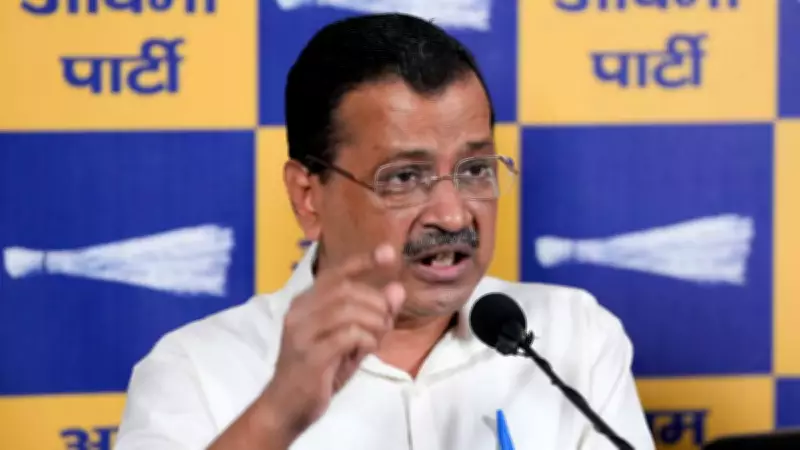
In a major legal development, the Delhi High Court has rejected Chief Minister Arvind Kejriwal's plea seeking the recusal of a judge in the ongoing excise policy case. The decision, delivered on April 20, 2026, represents a significant setback for the Aam Aadmi Party (AAP) leader, who had argued that the judge should step aside due to alleged bias.
Details of the Court's Ruling
The court firmly dismissed Kejriwal's application, stating that there were no valid grounds to warrant the judge's recusal. The bench emphasized that the plea was devoid of merit and failed to establish any reasonable apprehension of bias. This ruling allows the case to proceed without further delays, ensuring that the judicial process moves forward in a timely manner.
Background of the Excise Policy Case
The excise policy case centers on allegations of irregularities and corruption in the formulation and implementation of Delhi's excise policy. Kejriwal, along with other AAP leaders, has been under scrutiny by investigative agencies, with claims that the policy favored certain liquor vendors and led to financial losses for the state exchequer. The case has been a focal point of political and legal battles, drawing national attention.

Implications for Kejriwal and AAP
This rejection is a notable blow to Kejriwal's legal strategy, as recusal pleas are often used to challenge judicial impartiality. With the plea dismissed, the case will continue under the same judge, potentially expediting proceedings. Political analysts suggest that this could impact AAP's image, especially with upcoming elections, as it underscores the legal challenges facing the party's top leadership.
Reactions and Next Steps
Following the verdict, Kejriwal's legal team expressed disappointment but affirmed their commitment to defending the Chief Minister in court. They may explore other legal avenues, including potential appeals. Meanwhile, opposition parties have seized on the ruling to criticize AAP, alleging that the case highlights governance issues in Delhi. The court has scheduled the next hearing for early May 2026, where further arguments are expected.
This case remains a critical test for India's judicial system, balancing legal procedures with high-profile political figures. As developments unfold, it will continue to shape discussions on accountability and transparency in public office.






