Krishnanagar Ground Report: A Town Balancing Heritage and Change
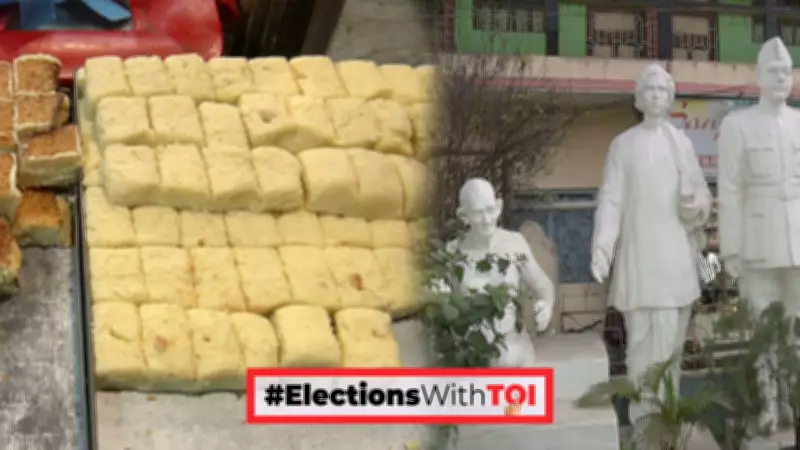
Krishnanagar, located in the Nadia district of West Bengal, stands as a vibrant testament to India's rich cultural tapestry. This town, where identity is deeply intertwined with tradition, is currently navigating a pivotal moment of transformation. Known for two iconic pillars—Ghurni's hyper-realistic clay dolls and its legendary sweets like sarbhaja and sarpuriya—Krishnanagar presents a compelling story of resilience and adaptation in the face of evolving times.
The Fading Art of Clay Dolls
For generations, the artisans of Ghurni have crafted exquisite clay dolls that are celebrated for their lifelike details and artistic precision. These dolls, once a symbol of local pride and a popular souvenir, are now grappling with a severe decline. Falling demand has become a critical issue, driven by changing consumer preferences that favor mass-produced, durable items over fragile handmade crafts. The delicate nature of the clay materials makes them susceptible to damage, further reducing their appeal in a market that values longevity.
Many craftsmen, who have dedicated their lives to this art, find themselves on the brink of economic hardship. The lack of interest from younger generations compounds the problem, with several artisans unwilling to pass down their skills, fearing an uncertain future. This trend threatens to erase a centuries-old tradition, leaving a void in Krishnanagar's cultural landscape.

The Sweet Industry's Adaptive Evolution
In stark contrast, Krishnanagar's sweet industry is demonstrating remarkable adaptability. Legacy establishments, such as Adhar Chandra Das, which was founded in 1902, are leading the charge in innovation. These shops are not resting on their laurels; instead, they are actively introducing new varieties of sweets to cater to modern palates. Efforts include reducing sugar content to align with health-conscious trends and experimenting with flavors to attract a broader customer base.
This proactive approach has allowed the sweet sector to not only survive but thrive, maintaining its appeal while honoring traditional recipes. The ability to evolve without losing essence highlights a successful model of cultural preservation through commercial reinvention.
A Cultural Crossroads in Focus
Krishnanagar's current scenario encapsulates a broader narrative of cultural heritage at a crossroads. On one hand, the clay doll artisans face an uphill battle against obsolescence, struggling to find relevance in a rapidly changing world. On the other, the sweet makers exemplify how tradition can endure by embracing change and innovation.
This ground report underscores the delicate balance between preserving the past and adapting to the future. As Krishnanagar moves forward, it serves as a microcosm for many traditional communities worldwide, grappling with similar challenges of sustainability and identity in the modern era.