

Harvard Study Uncovers Factors Behind India's Slower Warming Trend
A groundbreaking report from Harvard University has provided a detailed explanation for why India's rate of warming has been notably slower than the global average. The study, titled 'Critical Perspectives On Extreme Heat in India', was published by the Salata Institute for Climate and Sustainability at Harvard University. This research delves into the complex interplay of environmental and human factors that are shaping India's unique climate trajectory.
Key Findings on Aerosol Pollution and Irrigation
The report highlights two primary factors contributing to India's moderated warming: aerosol pollution and extensive irrigation practices. Aerosols, which are tiny particles suspended in the atmosphere from sources like industrial emissions and vehicle exhaust, have a cooling effect by reflecting sunlight away from the Earth's surface. This phenomenon, known as aerosol radiative forcing, has helped offset some of the warming caused by greenhouse gases in India.
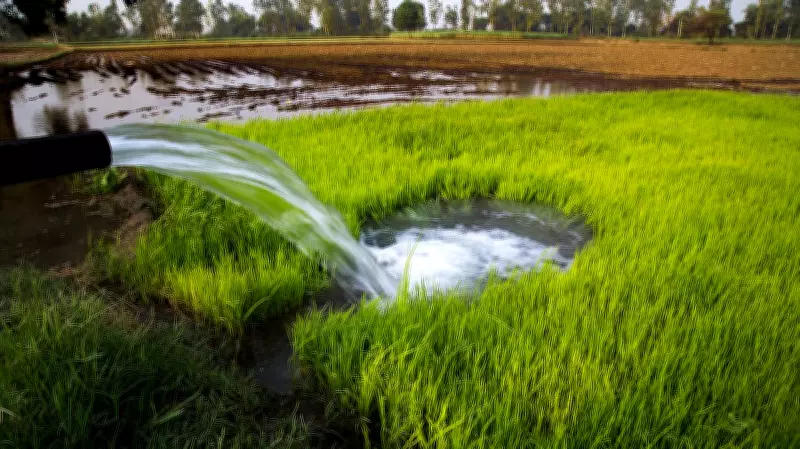
Additionally, the study points to irrigation as a significant factor. Large-scale irrigation across agricultural regions in India increases evapotranspiration, which cools the local environment through the process of water evaporation. This cooling effect can reduce surface temperatures, thereby slowing the overall warming trend in the country.

Implications for Climate Policy and Future Research
These findings have important implications for climate policy and adaptation strategies in India. Understanding the role of aerosols and irrigation can help policymakers develop more targeted approaches to mitigate climate change impacts. For instance, while reducing aerosol pollution is crucial for public health, it may inadvertently accelerate warming if not paired with measures to curb greenhouse gas emissions.
The report also underscores the need for continued research into regional climate dynamics. As global temperatures rise, localized factors like those identified in India could play a critical role in shaping future climate scenarios. This study serves as a reminder that climate change is not a uniform process and requires nuanced, region-specific analysis.
Published on 20 April 2026, this report adds to the growing body of evidence on climate variability and offers valuable insights for scientists, policymakers, and the public alike. By shedding light on the mechanisms behind India's slower warming, it contributes to a more comprehensive understanding of global climate patterns and their local manifestations.






