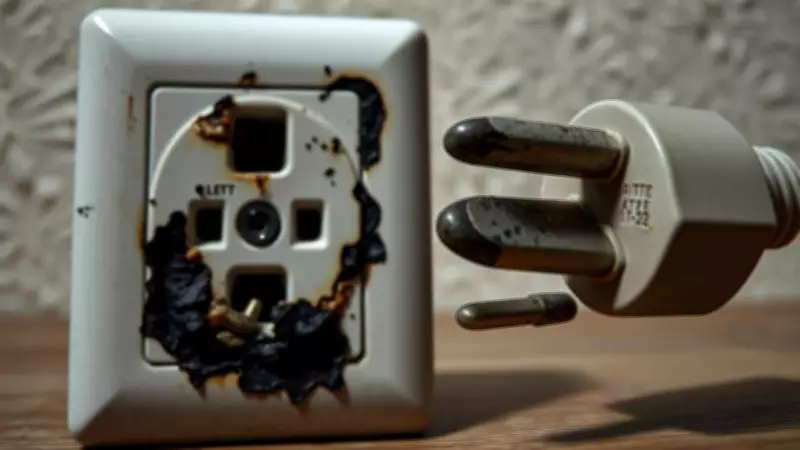
Why Your Phone Charger Gets Hot: It's Not Fast Charging, It's a Loose Plug
That noticeable warmth when you touch your phone charger doesn't indicate rapid charging or a high-capacity battery. Instead, it's a mechanical issue rooted in how electricity flows. In many American households, wall outlets serve as the primary power source for electronics, assuming all connections are secure. However, localized overheating frequently arises from a simple culprit: a loose plug.
The Science Behind Overheating: Resistance and Friction
Electricity inherently encounters resistance in circuits, and a connection gap—like a loose plug—increases friction. This leads to a temperature rise, particularly in confined spaces such as wall sockets, potentially causing melting or worse. The steady electricity supply in homes relies on physical pressure from metal springs on prongs to maintain a solid outlet-device connection. Over time, these springs lose elasticity, weakening contact.
Research Reveals Alarming Temperature Spikes
A study in the Fire Safety Journal, titled "Simulation based analysis of electrical fire risks caused by poor electric contact between plug and receptacle," used advanced computer modeling to assess dangers. Researchers found that as contact pressure decreases, connection point temperatures don't just climb—they can surge dramatically. Simulations showed poor contact could elevate temperatures from 100°F to a catastrophic 1,600°F, depending on current load.

Heat Transfer and Insulation Risks
Heat generated at these points doesn't stay put; it quickly transfers to surroundings, often insulating materials like plastic cables. When heat exceeds the insulation's maximum limit, properties degrade, potentially releasing toxic gases or igniting flames.
The Danger of Poor Ventilation
Risk escalates when a poorly connected charger is placed near beds or under couches, where ventilation is limited—a common practice to hide unsightly cables. In airy environments, natural convection dissipates heat, but poor ventilation worsens the hazard. The Fire Safety Journal highlights that minimal ventilation reduces fire chances by cooling contact points, whereas enclosing a heating plug behind curtains or in cupboards accelerates combustion of nearby materials.
Identifying Loose Wiring: Simple Tests
You don't need an electrician's expertise to safeguard your home; basic knowledge suffices. Try the gravity test: gently pull your charger to see if it falls from the socket. Also, inspect for "pitting" or small black burn marks on charger prongs, signs of arcing where electricity jumps due to inconsistent contact. A faint fishy or ozone-like smell near the outlet indicates dangerous temperatures.
Safe Solutions: Avoid Quick Fixes
Resist bending charger plugs for a better fit, as this unevenly distributes force and exacerbates issues. The best fix is replacing the wall socket. Modern specification sockets use superior materials, lasting longer than contractor-grade ones. Ensure plugs click securely when inserted to prevent overheating.