

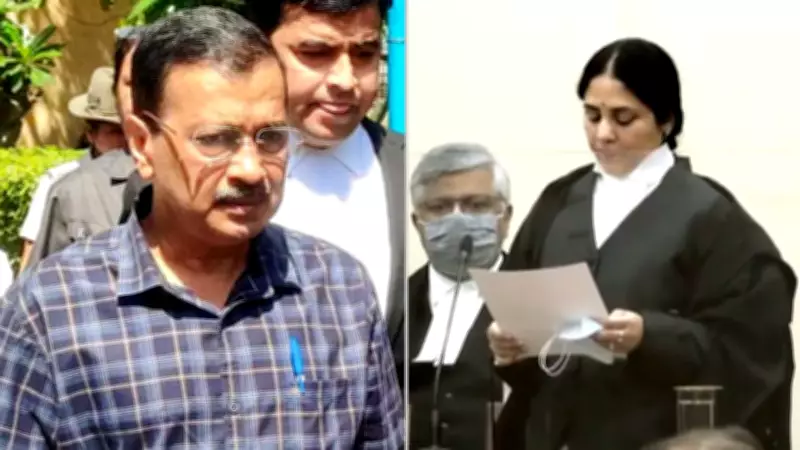
Delhi High Court Rejects Recusal Plea in Excise Policy Case; Judge Describes 'Catch-22' Situation
In a significant legal development, the Delhi High Court has dismissed the recusal plea filed by former Chief Minister Arvind Kejriwal and other accused individuals in the high-profile excise policy case. Justice Swarana Kanta Sharma firmly refused to step aside from hearing the Central Bureau of Investigation's challenge to Kejriwal's discharge application, delivering a detailed order that has captured national attention.
Allegations of Judicial Bias and Conflict of Interest
The recusal plea presented by Kejriwal's legal team raised multiple serious allegations. These included claims of judicial bias based on Justice Sharma's previous rulings in related matters, potential conflict of interest involving the judge's family members, and concerns about her attendance at events organized by the Adhivakta Parishad, a lawyers' association. The defense argued these factors could potentially influence the impartiality of the judicial proceedings.
CBI's Strong Opposition to Recusal Request
The Central Bureau of Investigation, represented by Solicitor General Tushar Mehta, vigorously opposed the recusal application. The prosecution argued that the allegations of bias were completely unfounded and lacked substantive evidence. Mehta emphasized that judges routinely participate in public events and professional gatherings as part of their engagement with the legal community, and such participation should not be misconstrued as compromising judicial independence.

Justice Sharma's Detailed Order and 'Catch-22' Observation
In her comprehensive 25-page order, Justice Swarana Kanta Sharma provided a thorough analysis of the recusal request while making a notable observation about the paradoxical nature of the situation. The judge described the circumstances as creating a "Catch-22" scenario, referring to the no-win dilemma where any decision could be interpreted unfavorably. She further noted that this paradox had inadvertently created what she termed a "win-win" situation for Kejriwal, regardless of the court's ultimate ruling on the recusal matter.
Court's Final Decision and Case Continuation
After careful consideration of all arguments presented by both sides, the Delhi High Court ultimately dismissed all recusal applications in their entirety. This decisive ruling clears the path for the continuation of legal proceedings in the excise policy case, which involves serious allegations of irregularities in Delhi's liquor policy formulation and implementation. The court's rejection of the recusal plea ensures that Justice Sharma will continue presiding over the CBI's challenge to Kejriwal's discharge application, moving the high-stakes case forward in the judicial system.
The excise policy case has remained a focal point of political and legal attention in Delhi, with multiple high-profile figures facing investigation. This latest development represents a crucial procedural milestone that will shape the trajectory of the ongoing legal battle, potentially influencing both the immediate proceedings and broader perceptions of judicial independence in politically sensitive cases.






