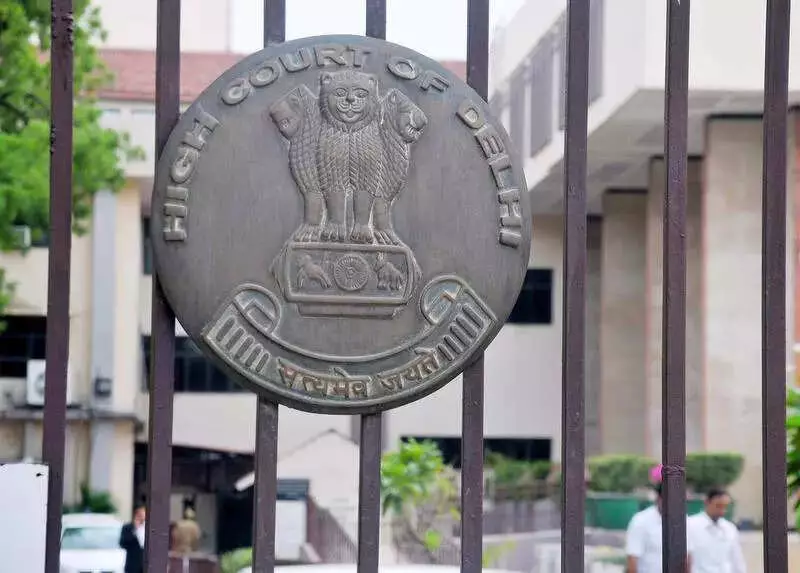
The Delhi High Court has come down heavily on the city's excise department and the Municipal Corporation of Delhi (MCD) for an unexplained delay of over a year in relocating a liquor shop from a residential colony. The court has demanded a detailed explanation from the authorities.
Court's Stern Observations on Inaction
A bench comprising Chief Justice DK Upadhyaya and Justice Tejas Karia expressed strong dissatisfaction with the prolonged delay. "We don't understand why no action was taken," the bench remarked during a hearing on Wednesday. The judges noted that while no specific timeframe was given, the excise commissioner was expected to act within a "reasonable time" given the sensitivity of the issue.
The court was hearing a Public Interest Litigation (PIL) filed by a resident of Swaroop Nagar who opposed the operation of the liquor vend within the residential area. The plea argued that its presence adversely affected children and compromised the safety and well-being of the residents.

Authorities Pass the Buck, Court Seeks Accountability
During the proceedings, the Delhi government's standing counsel, Sameer Vashisht, informed the court that the vend would be shifted to Mundka within a week. He explained that the process was delayed as they were awaiting site approval from the MCD, after which the excise department could proceed with the relocation.
However, the bench was not convinced by this explanation and questioned the MCD's counsel directly. "Just because the excise department gives a licence, you won't apply your mind on feasibility of the place?" the court asked, highlighting the lack of due diligence in granting permissions for such establishments in residential zones.
Personal Affidavit Ordered from Top Official
To ensure accountability, the High Court has ordered the filing of a "personal affidavit" from the Excise Commissioner. This move underscores the court's intent to hold senior officials personally responsible for the delay that has caused continued distress to the colony's residents.
The case highlights a common urban governance issue where necessary administrative actions get entangled in bureaucratic procedures, leaving citizens to suffer. The court's intervention seeks to cut through this red tape and ensure a swift resolution. The matter is scheduled for further hearing, where the court will review the commissioner's affidavit and the progress on the promised relocation to Mundka.