

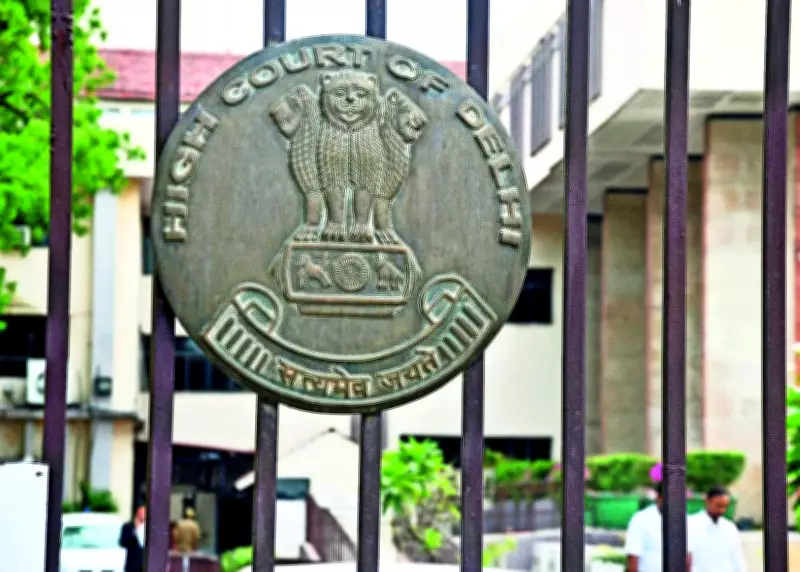
Delhi High Court Upholds Conviction in Decades-Old Fake Rape Case
In a landmark verdict that exposes systemic failures in India's justice system, the Delhi High Court has upheld the conviction of a police officer and a practicing lawyer who conspired to frame an innocent man in a fabricated gang rape case twenty-six years ago. The court's decision comes as a posthumous vindication for Sushil Gulati, who died in 2014 without seeing his tormentors punished.
A Case of Vengeance and Systemic Collapse
The tragic saga began when Sushil Gulati courageously intervened to stop a police officer, C M Dutta, from molesting a woman. His actions led to disciplinary proceedings against Dutta, who was subsequently suspended. In retaliation, Dutta conspired with Sub-Inspector Narender Singh and lawyer Haji Mohammad Altaf to exact revenge through a meticulously planned false accusation.
The conspiracy involved paying a woman to falsely accuse Gulati of gang rape, resulting in his arrest, custodial torture, and prolonged legal harassment that spanned years. Despite being discharged when the woman's testimony collapsed a year later, Gulati's ordeal continued through repeated court summons and systemic indifference.

Judicial Condemnation of Abuse of Authority
Justice Chandrasekharan Sudha, in an 85-page verdict dismissing the appeals of Singh and Altaf, delivered scathing criticism of both the individuals involved and the system that failed Gulati. "Gulati was not only falsely implicated in a heinous crime of gang rape but was also subjected to custodial violence and undue harassment at the hands of the police," the judge noted.
The court particularly condemned the behavior of the convicted lawyer and police officer, stating: "A lawyer is an officer of the court, whose duty is to defend his client and assist the court, not to indulge in such acts of implicating innocent persons in crimes. Likewise, a police officer, whose duty is to prevent crimes, has, in complete disregard to the same, indulged in acts which are in no way justifiable."
Systemic Failures and Judicial Inaction
The High Court highlighted multiple layers of institutional failure that prolonged Gulati's suffering. Despite the case reaching trial court, no effective measures were taken to protect him from continued harassment. The court noted that Gulati was summoned approximately twenty times only to be sent back without examination, with adjournments granted routinely without proper justification.
"It is a matter of great concern that the trial court also did not effectively step in to prevent the harassment. The request for adjournments for cross-examination is seen granted for the mere asking," Justice Sudha observed, emphasizing that trial courts must exercise greater vigilance in protecting victims of malicious prosecution.
Inadequate Punishment and Enhanced Compensation
While upholding the 2016 trial court conviction for criminal conspiracy, fabrication of evidence, and extortion under the Indian Penal Code, the High Court expressed dissatisfaction with the four-year sentence already served by the convicts. The court remarked this was "a fit case in which a more stringent sentence ought to have been imposed so as to send a strong message... that courts would not treat such crimes lightly or turn a blind eye to such blatant misuse of position and authority."
Recognizing that Gulati never received justice during his lifetime and suffered irreparable damage to his reputation and character, the court enhanced the compensation awarded to his family. The judgment serves as both accountability for past wrongs and a warning against future abuses of power within the legal and law enforcement systems.
Broader Implications for Justice Delivery
This case underscores critical vulnerabilities in India's justice delivery mechanism, where personal vendettas can weaponize legal processes against innocent citizens. The fact that both the main accused policeman and the victim died during the prolonged legal proceedings highlights the human cost of delayed justice.

The Delhi High Court's firm stance in this matter establishes important precedents regarding the responsibilities of legal officers and police personnel, while calling for systemic reforms to prevent similar tragedies. As the court concluded, "Gulati never got justice during his lifetime. Therefore, this court did not want to further delay the matter," bringing a measure of closure to a quarter-century saga of injustice.





