

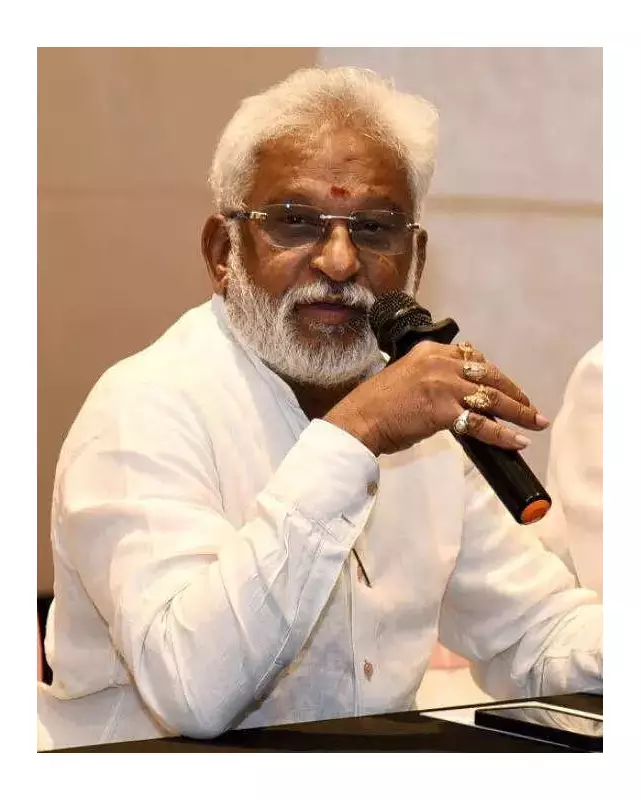
The Delhi High Court has recently declined to grant immediate, temporary relief to former Tirumala Tirupati Devasthanams (TTD) chairman Y V Subba Reddy in a defamation suit concerning media reports on the famous Tirupati laddu adulteration controversy. While refusing to issue an ex parte injunction against various publications, the court issued a stern warning regarding future coverage of the matter.
Court's Stance on Ex Parte Injunction
Justice Amit Bansal, presiding over the case, made it clear that the legal precedent for granting an ex parte injunction – an order issued without hearing the other side – is very strict. The judge observed that such relief can only be given under exceptional circumstances. In his prima facie view, it would be reasonable to allow the defendants, meaning the publications, an opportunity to present their defense regarding the articles in question.
Senior counsel Dayan Krishnan, representing Subba Reddy, had argued strongly for the injunction. He contended that publishing allegedly defamatory articles against his client while the matter was still under investigation by a Supreme Court-mandated Special Investigation Team (SIT) was illegal. Krishnan asserted that this violation of the apex court's orders provided solid grounds for issuing an interim injunction without waiting for a full hearing.

Notice Issued, Future Publications Warned
Rejecting the plea for immediate interim relief, Justice Bansal instead chose to issue formal notices to the respondent publications, directing them to present their side of the story. The court has scheduled the next hearing in this defamation suit for January 29.
However, the court's order carried a significant caution for the media. Justice Bansal explicitly stated that any publications made on the contentious issue after the date of the order would be brought to the court's notice and would "have its own consequences." This warning serves as a clear directive to publications to exercise caution in their reporting on the ongoing TTD laddu adulteration probe, especially concerning individuals involved.
The Core of the Controversy
The lawsuit stems from a series of media reports published in the wake of allegations regarding the adulteration of ghee used in the preparation of the sacred 'laddu' prasadam at the Tirumala temple. Y V Subba Reddy, who served as the TTD chairman, moved the Delhi High Court seeking legal recourse against what he claims are defamatory articles linking him to the scandal.
The legal battle highlights the tension between the freedom of the press and the protection of individual reputation, particularly when a high-profile investigation is underway. The Delhi High Court's decision to not grant ex parte relief underscores the judiciary's principle of audi alteram partem – hearing the other side – before passing restrictive orders against media entities.
All eyes will now be on the proceedings scheduled for late January, where the publications will get their chance to defend their reporting before the court decides on the merits of the defamation case.






