

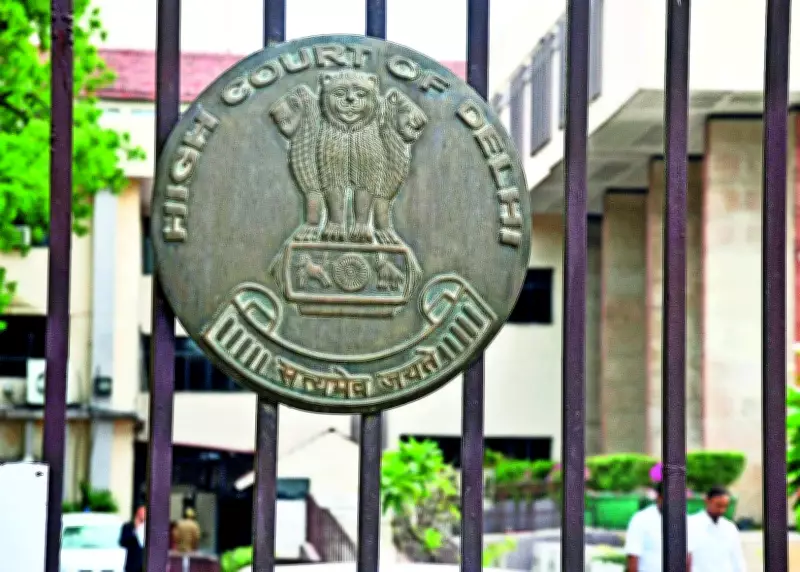
Delhi Lawyers Announce Boycott of Saturday Court Sessions in Protest
In a significant move, the Delhi High Court Bar Association has called upon lawyers to abstain from work on the first and third Saturdays of every month, starting from April 4. This protest is a direct response to the Delhi High Court's decision, under Chief Justice DK Upadhyaya, to hold court sessions on these days as part of an effort to increase the disposal of pending cases.
Background of the Court's Decision
Earlier this year, the Delhi High Court administration issued a notification dated January 15, declaring two Saturdays per month as court sitting days. The state's aim behind this revised schedule is to enhance the disposal of matters, particularly those cases that have been languishing in the system for extended periods. This initiative was intended to address the backlog and improve judicial efficiency in the capital.
Bar Association's Unanimous Resolution
On March 27, the Delhi High Court Bar Association released a notice announcing its unanimous resolution to abstain from work on the designated Saturdays. The decision came after multiple representations were made to the high court administration, urging a reconsideration of the notification. Despite these efforts, no changes were implemented, prompting the bar body to take this step.

The notice stated, "As such, all members of Delhi High Court Bar Association are requested to co-operate and abstain from work on the 1st and 3rd Saturdays of every month, starting from April 4. Further, it is informed that proxy counsels shall be designated for each court on these days."
Practical Difficulties Cited by Lawyers
The bar association highlighted several serious practical difficulties arising from the new Saturday court schedule. Key concerns include:
- Clashes with lawyers' existing cases and appearances before tribunals, arbitrations, and mediation proceedings.
- Conflicts with court appearances outside Delhi, which are common for many advocates.
- Adverse impact on preparation time for briefs and arguments, as lawyers require time beyond court hearings to adequately prepare.
- Disruption of client conferences and overall professional efficiency, affecting the quality of legal representation.
These issues have been flagged by numerous members of the bar, who argue that the revised schedule undermines their ability to serve clients effectively and manage their professional responsibilities.
Reiteration of Demand for Reconsideration
Reiterating its stance, the Delhi High Court Bar Association has urged the high court to reconsider its decision mandating Saturday functioning. The association expressed hope that the concerns raised by the legal fraternity would receive due consideration, emphasizing the need for a balanced approach that addresses both judicial efficiency and the practical realities faced by lawyers.
This protest underscores the ongoing tension between administrative efforts to streamline court processes and the operational challenges encountered by legal professionals in their daily practice.






