

Delhi Police Uncover Major Racket Repackaging Expired Food and Beverages in Dwarka
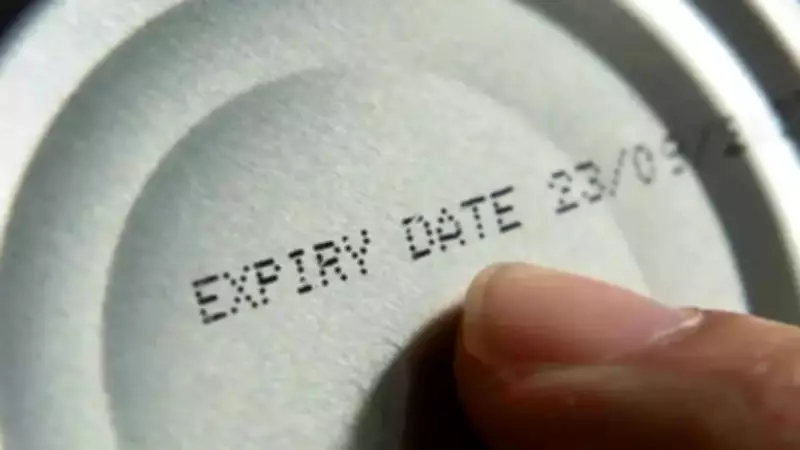
In a significant crackdown on food safety violations, Delhi Police have dismantled a large-scale racket operating in Dwarka that was involved in the repackaging and illegal circulation of expired food and beverage products. Authorities arrested three individuals and confiscated a substantial stock of items from well-known multinational brands, all of which had tampered manufacturing and expiry dates, as confirmed by officials on Friday.
Arrests and Raid Details
The accused—identified as Kamal Mudgil (56), Shivam Singh (27), and Lokesh Kumar (35)—were apprehended following a targeted raid conducted by the Crime Branch. Police reported that during the operation, they recovered an alarming 3,096 cans of soft drinks from various brands, along with a significant quantity of biscuits. These products were found with altered packaging and stickers, indicating a sophisticated operation to deceive consumers.
Tip-Off and Investigation
According to officials, the investigation was initiated based on a tip-off received on March 29, which pointed to an illegal unit operating in Bamnoli village. This unit was allegedly modifying expired or near-expiry products and reintroducing them into the market. Acting swiftly on this information, police conducted a raid at a godown located in Sector 28, Dwarka. At the scene, Shivam Singh and Lokesh Kumar were found and taken into custody, while Kamal Mudgil, who was identified as the owner of the illicit operation, was arrested shortly thereafter.

Involvement of Food Safety Authorities
To ensure thorough verification, officials from the Food Safety and Standards Authority of India (FSSAI) were summoned to inspect the site. Their inspection involved checking licences and collecting samples for analysis. The FSSAI team confirmed that several products bore forged batch numbers and expiry dates, leading to the immediate seizure of all compromised items.
Evidence and Confessions
During the raid, police also uncovered critical evidence, including a printing machine specifically used to create counterfeit manufacturing and expiry labels. Additionally, thinner chemicals, employed to erase original markings from the products, were recovered. In subsequent interrogations, the accused allegedly admitted to their modus operandi: sourcing expired or near-expiry goods, using chemicals to remove original details, printing new dates, and then repackaging and distributing these items back into the market.
Legal Action and Ongoing Probe
A formal case has been registered against the accused, and further investigation is currently underway to uncover the full extent of this racket, including potential supply chains and market distribution networks. Police emphasized their commitment to ensuring food safety and preventing such fraudulent activities that pose serious health risks to consumers.
This bust highlights the ongoing challenges in food safety regulation and the importance of vigilant enforcement to protect public health from such dangerous practices.






