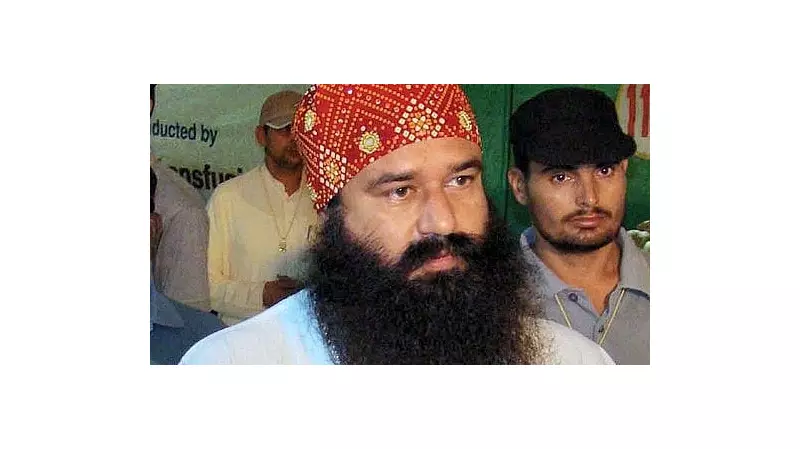
In a development that has once again drawn public attention, Dera Sacha Sauda chief Gurmeet Ram Rahim Singh has been released from prison on a 40-day parole. This marks the 14th instance the controversial spiritual leader has walked out of jail on temporary release since his initial conviction in the year 2017.
A Pattern of Temporary Releases
The latest parole was granted as per official orders dated 04 January 2026. Singh, who is serving time for serious criminal offenses, has now been out of prison on parole or furlough over a dozen times in less than a decade. This recurring pattern of temporary freedom for a high-profile convict continues to spark debate across legal and social circles in India.
Legal Context and Public Reaction
The frequent paroles granted to the Dera Sacha Sauda head have often been met with criticism from various quarters. Legal experts and victim advocacy groups question the regularity and duration of these releases, arguing they may undermine the gravity of the original sentences. Supporters of the sect, however, maintain that he is entitled to legal provisions for parole like any other prisoner.

Since his conviction, the process of his release—whether for parole or furlough—has consistently made headlines, highlighting the complex interplay between legal procedures, institutional influence, and public sentiment.
Implications and Ongoing Scrutiny
Each release of Gurmeet Ram Rahim Singh reignites discussions on prison reform, parole guidelines, and the uniform application of rules. Authorities have stated that all releases are in compliance with existing laws and based on recommendations from relevant boards.
As the 40-day parole period begins, security arrangements and the conditions of his release are likely to be closely monitored. The case remains a focal point for examining how the justice system handles the incarceration of influential individuals with massive followings.
The enduring legacy of this case ensures that every legal move concerning the Dera chief is scrutinized, reflecting broader questions about justice, equality before the law, and the socio-political footprint of large religious organizations in contemporary India.