

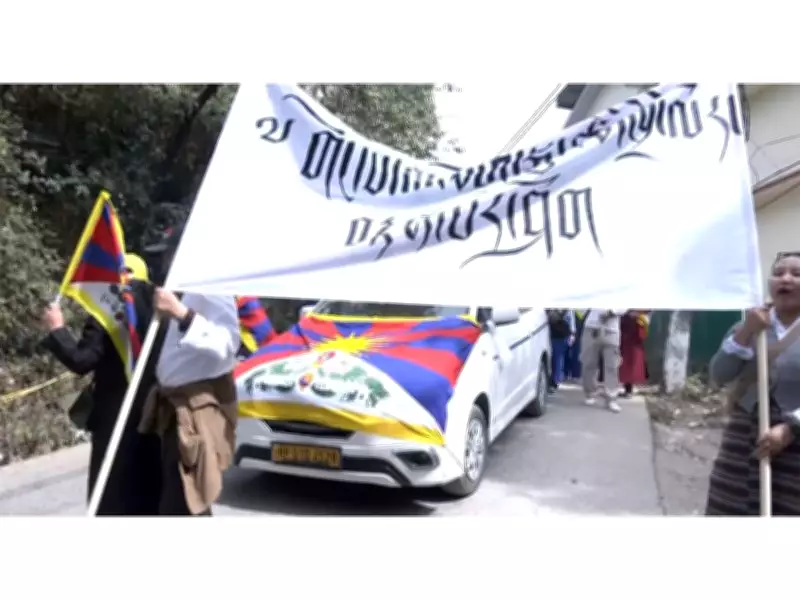
Dharamshala and CTA Mark 67th Tibetan National Uprising Day with Global Leaders Voicing Support
The Central Tibetan Administration (CTA), based in Dharamshala, India, solemnly commemorated the 67th Tibetan National Uprising Day on March 10, 2024. This annual event marks the 1959 uprising against Chinese rule in Tibet, which led to the Dalai Lama's exile and the establishment of the Tibetan government-in-exile in Dharamshala. The occasion was observed with ceremonies, prayers, and speeches highlighting the ongoing struggle for Tibetan rights and self-determination.
International Leaders Rally Behind Tibetan Cause
In a significant show of solidarity, numerous international leaders and dignitaries voiced their support for Tibetan rights during the commemoration. Representatives from countries including the United States, European Union nations, and other democracies issued statements condemning human rights abuses in Tibet and advocating for a peaceful resolution to the Tibetan issue. These leaders emphasized the importance of preserving Tibetan culture, language, and religious freedom, which they argue are under threat under Chinese administration.
The CTA's Role and Demands

The Central Tibetan Administration, led by Sikyong Penpa Tsering, used the event to reiterate its core demands: genuine autonomy for Tibet within the framework of the Chinese constitution, the return of the Dalai Lama to Tibet, and an end to what it describes as oppressive policies by the Chinese government. The CTA highlighted recent reports of increased surveillance, restrictions on religious practices, and cultural assimilation efforts in Tibet, calling for international intervention to address these concerns.
Ceremonies and Public Participation in Dharamshala
In Dharamshala, the day was marked by a series of events including flag-hoisting ceremonies, cultural performances, and public gatherings. Tibetan refugees and supporters gathered at the Tsuglagkhang Complex, the main temple in McLeod Ganj, to offer prayers for those who lost their lives during the 1959 uprising and in subsequent years. The atmosphere was one of resilience and hope, with participants expressing their commitment to the Tibetan cause despite decades of exile.
Global Reactions and Diplomatic Implications
The international support voiced on this occasion has potential diplomatic ramifications, particularly in the context of India-China relations. India, as the host country for the Tibetan government-in-exile, often walks a fine line in balancing its diplomatic ties with China while providing a safe haven for Tibetan refugees. The statements from global leaders may pressure China to engage in dialogue with Tibetan representatives, though Beijing has consistently rejected such overtures, maintaining that Tibet is an integral part of China and that internal affairs are not subject to foreign interference.
Looking Ahead: Challenges and Hopes for the Tibetan Movement
As the Tibetan community marks 67 years since the uprising, challenges persist, including an aging exile population and limited progress in negotiations with China. However, the continued international attention and support offer a glimmer of hope for advocates of Tibetan rights. The CTA plans to leverage this global backing to amplify its message at international forums like the United Nations, seeking to keep the Tibetan issue on the global agenda.
In summary, the 67th Tibetan National Uprising Day in Dharamshala served as a poignant reminder of the enduring struggle for Tibetan self-determination, bolstered by renewed calls from world leaders for justice and human rights in Tibet.






