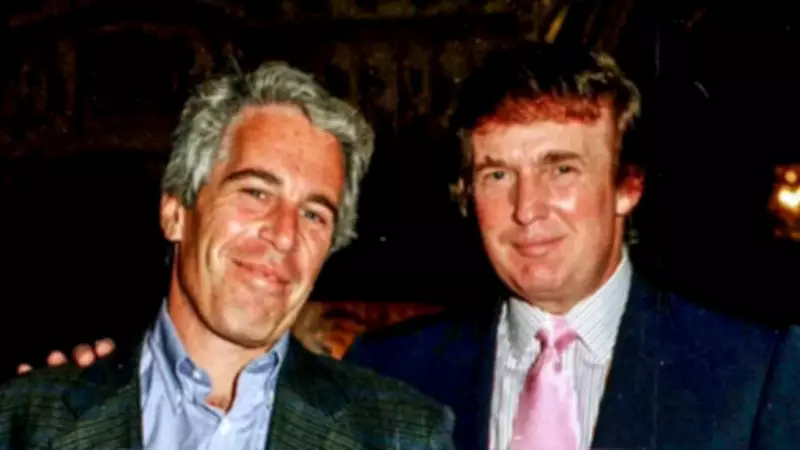
The Justice Department has temporarily removed and republished a document from the FBI's National Threat Operations Center that contained a spreadsheet summary of complaints, with references to Jeffrey Epstein and former President Donald Trump. According to the document, there was no indication that these tips were verified, highlighting the unsubstantiated nature of the information.
Details of the Document and Its Contents
The complaints were made over an unspecified time frame, with some dating back as far as 35 years, suggesting a long history of unverified reports. An email accompanying the list identified it as "This is the list I sent Whitney with names of Trump accusers from NTOC," which is believed to refer to the FBI's National Threat Operation Center. This email adds context to the origins of the document but does not confirm the accuracy of the complaints.
Key Figures Mentioned in the Complaints
NBC reported that the document showed what appeared to be 16 complaints, including an email dated August 7, 2025, sent to redacted recipients. In addition to Epstein and Trump, other well-known individuals were mentioned, such as former President Bill Clinton and Lisa Marie Presley. This broad range of names indicates the wide scope of the complaints, though their validity remains unconfirmed.
Issues with Complaint Submissions
According to the complaint summaries, at least eight of the complainants did not include their contact information when making their reports. This lack of details complicates any follow-up investigations and underscores the challenges in verifying such tips. A note in the original email further clarified, "Some of these individuals are reporting second-hand information," emphasizing the hearsay nature of many complaints.
Response and Follow-Up Actions
The response to one complaint stated, "Spoke with caller who identified REDACTED as friend. Lead was sent to Washington Office to conduct interview." However, it was unclear what was learned from this interview, leaving questions about the outcome and effectiveness of such follow-ups. This highlights the procedural steps taken by authorities but does not provide conclusive results.
Overall, this incident sheds light on the handling of unverified tips within federal agencies and raises questions about transparency and accountability in documenting such complaints. The temporary removal and republication of the file by the Justice Department suggest ongoing reviews or updates to the information, though specific reasons for this action were not detailed in the report.