

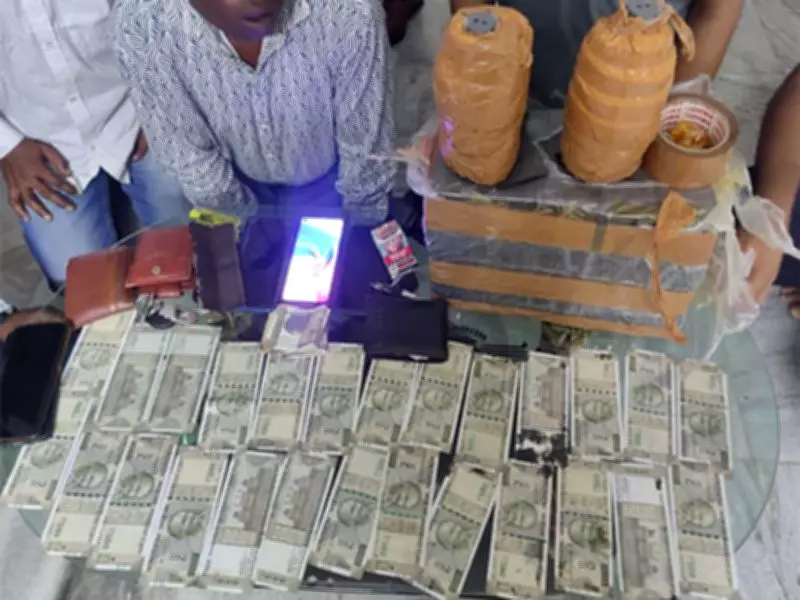
Drone-Dropped Fake Currency in Amritsar Triggers High Alert Near Border
A recent incident involving a drone dropping counterfeit currency notes in the border region of Amritsar has sent shockwaves through security agencies, raising serious red flags about vulnerabilities along the sensitive frontier. The discovery of these fake notes, believed to have been air-dropped from an unmanned aerial vehicle, has intensified scrutiny on cross-border smuggling activities and potential security breaches.
Details of the Alarming Discovery
According to reports, the fake currency was found in a rural area near the India-Pakistan border in Amritsar district. The notes, which mimic high-denomination Indian rupees, were scattered across a field, suggesting a deliberate aerial drop. Local authorities and border security forces were immediately alerted, launching a thorough investigation into the source and intent behind this illicit operation.
Security officials have expressed grave concerns, noting that drones are increasingly being used for nefarious purposes, including smuggling contraband, weapons, and now counterfeit money. This incident underscores the evolving tactics employed by smugglers and anti-national elements to exploit technological advancements for illegal gains.

Implications for Border Security and Law Enforcement
The use of drones to drop fake currency poses a multifaceted threat:
- Economic destabilization: Counterfeit notes can undermine the financial system by flooding the market with fake currency, leading to inflation and loss of public trust in monetary instruments.
- Security risks: Drones capable of delivering fake money could potentially be used to transport more dangerous items, such as explosives or drugs, across the border undetected.
- Intelligence gaps: The incident highlights potential lapses in surveillance and interception mechanisms along the border, necessitating upgraded technology and stricter monitoring.
In response, security forces have stepped up patrols and are employing advanced drone detection systems to prevent similar occurrences. Investigations are ongoing to trace the origins of the drone and identify the perpetrators behind this scheme. Authorities suspect links to cross-border networks that have historically engaged in smuggling and other illicit activities.
Broader Context and Preventive Measures
This is not an isolated event; drone-related incidents have been reported in border areas before, often involving narcotics or weapons. However, the introduction of fake currency adds a new dimension to the threat landscape. Experts warn that such activities could be part of larger efforts to destabilize the region economically and socially.
To combat this, the government and security agencies are considering several measures:
- Enhancing drone surveillance technology with radar and anti-drone systems.
- Increasing coordination between local police, border forces, and intelligence agencies.
- Raising public awareness in border communities to report suspicious drone activities.
- Strengthening legal frameworks to impose stricter penalties for drone-based smuggling.
The incident in Amritsar serves as a stark reminder of the challenges faced in securing porous borders. As technology evolves, so do the methods of those seeking to breach security, making it imperative for authorities to stay ahead with proactive strategies and robust countermeasures.






