

Telegram CEO Pavel Durov and Elon Musk Engage in Heated Safety Debate: UAE vs. Europe
In a recent social media exchange that has captured global attention, Telegram CEO Pavel Durov ignited a fiery discussion by comparing safety levels in Europe with the United Arab Emirates (UAE), specifically Dubai. This debate unfolds against a backdrop of escalating regional tensions, including missile attacks and economic disruptions in the Gulf area.
Durov's Provocative Statement on Safety Statistics
Pavel Durov took to X to share his personal experience, revealing that he had to leave Dubai for Europe approximately a week ago. In his post, he expressed regret over missing what he humorously referred to as "free fireworks from Iran" but emphasized a more serious concern: increased personal risk. Durov asserted, "Given Europe's crime rates, Dubai is statistically safer even with missiles flying." He concluded with a longing to return, highlighting his preference for Dubai's perceived security despite the volatile geopolitical climate.
Elon Musk Endorses UAE's Superior Governance and Security
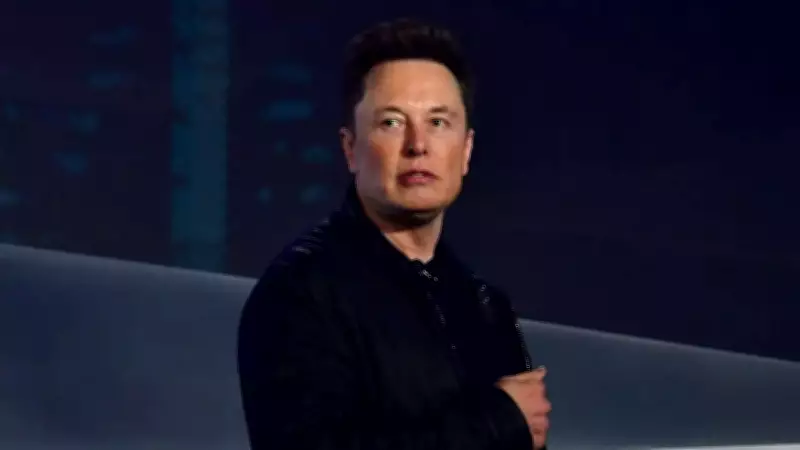
The post quickly garnered responses, most notably from Tesla CEO Elon Musk, who added his voice to the conversation. Musk acknowledged that no nation is flawless but strongly supported Durov's viewpoint. He stated, "but Dubai and UAE broadly are objectively safer and better run than many areas of Europe." This endorsement from a high-profile tech leader amplified the debate, drawing further scrutiny to safety comparisons between the two regions.

Context of Regional Conflict and Global Implications
This exchange occurs during a period of heightened military actions, starting in late February 2026, with Iran launching retaliatory missile strikes on US assets in the Gulf. The conflict originated from a joint US-Israeli operation that resulted in the death of Iranian Supreme Leader Ayatollah Ali Khamenei, sparking widespread reactions from jubilation to condemnation.
According to an Associated Press report, these strikes have fueled fears of a broader war and potential damage to the global economy. In response, Iran has expanded its attacks to target regional oil infrastructure, such as the Saudi Aramco facility at Ras Tanura, directly threatening the economic stability of the Gulf states. This has led to canceled flights, deadly protests, suspended shipping, and soaring oil prices, creating a complex security landscape.
US Objectives and Strategic Statements
Amidst these developments, US President Donald Trump outlined clear objectives for the ongoing operations. He emphasized goals including the destruction of Iran's naval and missile capabilities and preventing the country from obtaining nuclear weapons. Trump described the action as "our last, best chance to strike" and estimated the operation would last four to five weeks, aiming to eliminate what he termed "intolerable threats" from the regime.
Broader Implications for Safety Perceptions and Regional Dynamics
The debate between Durov and Musk underscores a critical examination of safety metrics beyond immediate conflict zones. While Europe grapples with higher crime rates, the UAE, particularly Dubai, maintains a reputation for stringent security measures and efficient governance, even in times of regional instability. This discussion highlights how global leaders and tech influencers are weighing statistical safety against geopolitical risks, influencing public perception and policy considerations in an increasingly interconnected world.






