

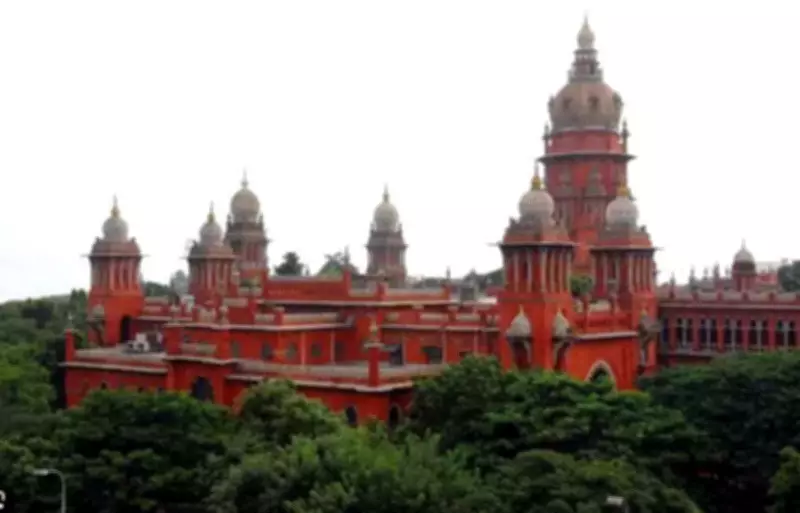
DVAC Seeks Review of Madras High Court Order on Municipal Corruption Case
The Directorate of Vigilance and Anti-Corruption (DVAC) on Tuesday informed the Madras High Court that it is planning to move a review petition against the court's February 20 order. That order had directed the agency to register a case based on information shared by the Enforcement Directorate (ED) regarding alleged corruption in Tamil Nadu's municipal administration department.
Contempt Petition and Court Proceedings
Advocate-General P S Raman made this submission during a hearing on a contempt petition moved by AIADMK MP I S Inbadurai. The petition seeks action against the DVAC director for failing to comply with the court's directive to register a case. Senior advocate V Raghavachari, representing the petitioner, contended that even after ten days of the order, the DVAC had failed to register a case based on the ED's information.
The first bench of Chief Justice Manindra Mohan Shrivastava and Justice G Arul Murugan recorded the submissions and directed the DVAC to file its response. The hearing has been adjourned for two weeks.

Allegations of Political Influence and Corruption Details
In his petition, MP Inbadurai alleged that the DVAC is deliberately refraining from registering an FIR against Municipal Administration Minister K N Nehru due to extraneous considerations and political influence. He argued this defeats the very purpose of the court's order.
The MP pointed to specific corruption allegations involving bribe amounts ranging from 25 lakh to 35 lakh rupees obtained from candidates to fill 2,538 posts of assistant engineers and junior engineers. According to the petition, the ED unearthed credible materials suggesting this money was obtained through hawala transactions before being brought into the banking system.
Background of the Court's February 20 Order
On February 20, the first bench of the Madras High Court had issued its order directing the DVAC to register a case. The court noted that the ED had seized incriminating materials including copies of hall tickets and details of communications shared among brothers and other high-ranking personnel in the municipal administration department. These individuals were reportedly closely connected to the sitting minister of the department.
The court emphasized that this evidence had been shared with the Director-General of Police, forming the basis for its directive to the DVAC to take appropriate legal action through FIR registration.






