

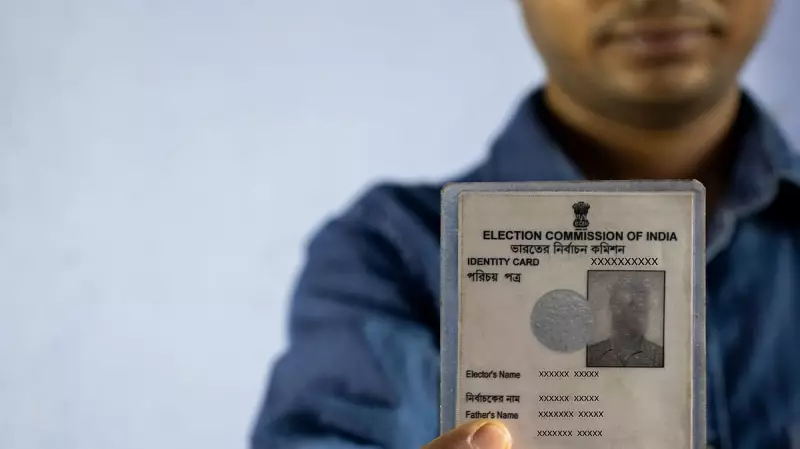
In a startling revelation from an ongoing investigation, the Enforcement Directorate (ED) has uncovered a glaring anomaly in a case involving the issuance of fake Indian identity documents to Bangladeshi nationals. The probe has found an improbable gap of less than nine months between the recorded birth dates of two brothers, highlighting the brazen nature of the forgery.
The Key Players in the Racket
The central figure accused in this elaborate scheme is a Pakistani national identified as Azad Hussain. Investigators state he operated under multiple aliases, including Azad Mallik and Ahammed Hossain Azad. His alleged Indian accomplice, who facilitated the operations within the country, is Indubhushan Haldar, also known as Dullal.
The case, which underscores persistent concerns about illegal immigration and document fraud in the region, came to light through meticulous financial and documentary scrutiny by the federal agency. The focus of the probe is a network suspected of providing fraudulent Indian citizenship papers, including Aadhaar cards and voter IDs, to individuals from Bangladesh.

The Impossible Timeline
The most dampering piece of evidence cited by the ED is the biological impossibility discovered in the family records created by the accused. In one specific instance under investigation, the documents fabricated for two individuals claimed to be brothers showed their dates of birth were separated by less than nine months.
This narrow gap raises immediate red flags, as it is medically implausible for the same mother to give birth to two children within such a short timeframe. This anomaly served as a crucial lead for the investigators, pointing directly to the forged nature of the entire set of identity and family history documents submitted by the beneficiaries of the racket.
Implications and Ongoing Probe
The discovery has serious implications for national security and the integrity of India's citizen registration systems. It exposes a potentially deep-rooted network that exploited administrative loopholes to create false narratives of Indian ancestry for foreign nationals. The involvement of a Pakistani national as the alleged mastermind adds a further layer of complexity and concern to the case.
The Enforcement Directorate's investigation, which was reported on 16 December 2025, remains active. The agency is delving deeper into the financial trails and the full extent of the network to identify all beneficiaries and facilitators. The case is expected to lead to stricter scrutiny of document verification processes, particularly in border states like West Bengal.
Authorities are now working to determine how many such fraudulent identities were created using similarly fabricated familial data and the specific channels used to infiltrate the official system. The findings reinforce the challenges faced by agencies in securing the country's demographic records against sophisticated forgery attempts.






