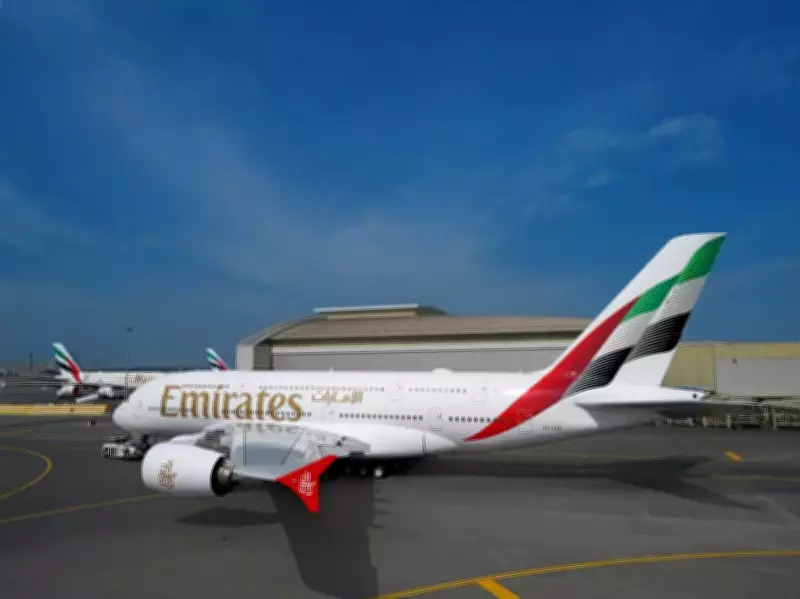
Emirates Extends Dubai Flight Suspension Amid Regional Airspace Closures
Dubai's skies will remain grounded for a third consecutive day as Emirates has officially extended its suspension of all flights to and from Dubai until 15:00 UAE time on Tuesday, March 3, 2026. This decision comes in response to ongoing regional airspace closures directly linked to escalating tensions between the United States, Israel, and Iran.
Regional Airspace Closures Trigger Widespread Disruption
The flight suspension follows explicit directives from Gulf civil aviation authorities after multiple countries in the region shut their airspace over the weekend. Aviation tracking data reveals that more than 1,800 flights have been cancelled across the Middle East since March 1, severely disrupting travel through major international hubs including Dubai International Airport.
Emirates has confirmed that operations will resume only when relevant authorities verify that affected air corridors are safe for civilian aircraft. The extension aligns with safety advisories issued by the UAE General Civil Aviation Authority (GCAA), implemented after several Gulf states imposed temporary airspace restrictions.

Coordinated Aviation Restrictions Across Gulf Nations
The airspace restrictions extend far beyond the UAE, with countries including Iran, Iraq, Qatar, Bahrain, and Kuwait implementing varying levels of closure or restriction. This coordinated action has significantly reduced available safe flight paths across the region.
Key developments include:
- Coordination among civil aviation regulators in Qatar, Bahrain, Kuwait, and Iraq has further limited flight paths
- Major international carriers have either suspended services to the UAE or are avoiding Gulf airspace altogether
- European airlines including Lufthansa have extended their suspensions through March 4
- Several Asian and American carriers are adjusting routes to bypass affected zones
Impact on Global Travel Networks
Aviation monitoring platforms indicate thousands of passengers have been impacted globally, with ripple effects spreading to Europe, Asia, and North America due to the Middle East's critical role in global flight connectivity. Airports such as Dubai International, Abu Dhabi, and Doha have experienced widespread cancellations and delays.
Dubai's position as a global aviation hub means disruptions here have an outsized impact on international travel networks. With connecting passengers forming a major share of traffic through the UAE, continued closures could lead to further rescheduling across global routes if tensions persist.
Passenger Guidance and Airline Response
Emirates has advised passengers booked to travel on or before March 5 to check their flight status before heading to the airport. The airline is offering flexible rebooking options, allowing travellers to change their dates within a specified window without penalty. Full refunds are also available for customers who choose not to travel.
Specific passenger instructions include:
- Passengers who booked through travel agents should contact their agents directly
- Those who booked via Emirates can manage changes online or through the airline's contact centres
- Customers should ensure their contact information is updated to receive real-time notifications
Looking Ahead: Gradual Resumption Expected
Aviation authorities have not yet confirmed when full regional airspace reopening will occur. Airlines, including Emirates, are monitoring the situation closely in coordination with civil aviation regulators. Industry experts anticipate operations will resume gradually once airspace safety is fully assured.
For now, travellers are advised to remain flexible and closely follow official airline updates as the situation continues to evolve in response to regional geopolitical developments.