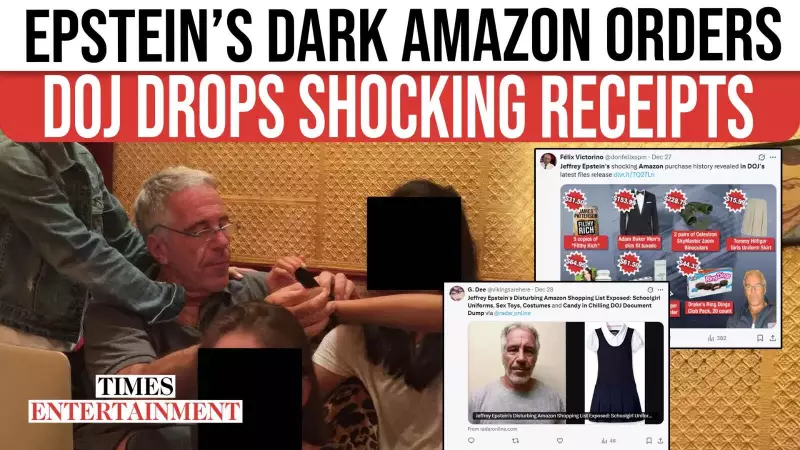
In a shocking revelation that adds a new, deeply disturbing layer to an already infamous case, newly released documents from the US Department of Justice have laid bare the online shopping history of convicted sex offender Jeffrey Epstein. The records, which detail purchases made on Amazon, include items like schoolgirl uniforms, sex toys, various costumes, and baby products. Legal and behavioural experts analysing this list assert that these are not random acquisitions but form a chilling portrait of calculated power, control, and predatory behaviour.
A Disturbing Catalogue of Purchases
The documents, made public recently, provide a grim window into Epstein's private world. The shopping list, sourced from his Amazon account, goes beyond mundane everyday items. It features schoolgirl uniforms, which experts immediately flagged as a tool for the grooming and psychological manipulation of young victims, intended to infantilise them and reinforce a power dynamic. Alongside these were an assortment of sex toys and adult costumes, pointing directly to the sexual exploitation central to the charges against him.
Perhaps most perplexing and sinister to analysts were the inclusions of baby items. Experts suggest these could have been used to further a narrative of innocence or dependency, or as part of a broader pattern of behaviour aimed at controlling and confusing victims. The combination of these specific categories—youth-oriented clothing, sexual paraphernalia, and infant care products—paints a harrowing picture that aligns perfectly with the allegations of systemic abuse for which Epstein was convicted.

Experts Decode the Predatory Pattern
Criminologists and psychologists examining the evidence state that these purchases were strategic. "This isn't just a shopping list; it's a toolkit for predation," explained one behavioural analyst familiar with the case. The school uniforms are seen as a classic component of grooming, used to break down a victim's identity and normalise abusive situations. The costumes and toys, they argue, were part of creating a ritualistic and controlled environment where Epstein held absolute power.
The release of these details through official DOJ channels on December 29, 2025, serves to corroborate victim testimonies and adds tangible, physical evidence to the narrative of abuse. It moves the case from hearsay to documented fact, showing a direct link between Epstein's finances and the acquisition of items used in his crimes. This evidence strengthens the understanding of his operations as highly organised and premeditated.
Broader Implications and Lasting Impact
The uncovering of Epstein's Amazon history has reignited public discourse on the mechanisms of power and exploitation. It demonstrates how even the most mundane modern conveniences, like online shopping, can be weaponised by predators to facilitate their crimes discreetly. For the ongoing legal proceedings and civil cases related to Epstein's network, this data provides crucial corroborative evidence.
Furthermore, it places a spotlight on the responsibility of corporations in monitoring potentially illegal purchasing patterns. While the primary focus remains on Epstein's actions, questions are being asked about the thresholds for flagging such disturbing purchase combinations. The documents serve as a grim reminder of the case's depth and the calculated nature of the exploitation, ensuring that the conversation about accountability and justice continues long after the principal figure's death.
Ultimately, these receipts are more than just transaction records; they are silent witnesses to a pattern of abuse. As experts at Watchetimes.in and other outlets analyse, each item on that list tells a story of manipulation, control, and the horrific reality faced by Epstein's victims, making the public's understanding of his predatory behaviour even more concrete and unsettling.