Mohali Consumer Commission Directs ESIC to Provide Pension and Compensation to Widows
The District Consumer Disputes Redressal Commission in Mohali has issued a landmark order directing the Employees’ State Insurance Corporation (ESIC) to release substantial dependent benefits to the families of two deceased workers. This ruling mandates the payment of a monthly pension equivalent to 90 percent of the deceased workers’ wages, along with interest and compensation, marking a significant victory for the affected families.
Details of the Commission's Order
In a decisive move, the Commission has ordered ESIC to pay a dependent pension amounting to 90 percent of the wages earned by the deceased workers, calculated from the date of their deaths. This pension must be disbursed with an interest rate of 9 percent per annum. The directive stipulates that all payments must be completed within 30 days; failure to comply will result in the interest rate increasing to 12 percent. Additionally, ESIC has been instructed to provide a compensation of Rs 35,000 to each family to address mental agony, harassment, and litigation expenses incurred during the prolonged legal battle.
Background of the Cases
The cases involve two workers from Mohali whose deaths were controversially not recognized as employment injuries by ESIC, despite clear evidence. In the first instance, Ram Singh, an employee of A & M Technologies in Mohali, fell seriously ill while on duty on October 30, 2021. He was initially treated at an ESI hospital before being referred to Indus Hospital in Mohali, where he succumbed during treatment on October 31. Despite proper reporting and completion of all formalities, ESIC refused to acknowledge his death as an employment-related injury.

The second case pertains to Hari Shankar, who had been working with Swani Rubber Industries in Mohali since 1998. He collapsed at the factory on March 16, 2021, and was taken to an ESI hospital in Mohali. After being denied a bed, he was shifted to Fortis Hospital, where he passed away on March 18. ESIC also rejected this claim, adding to the families' distress.
Legal and Personal Perspectives
Advocate Jasbir Singh, who represented the widows in these cases, highlighted a disturbing pattern in ESIC's handling of such claims. He stated, "Both cases reflect a systemic issue where genuine employment injury claims are being rejected despite complete documentation. This not only delays justice but also exacerbates the suffering of dependent families." The Commission, presided over by SK Aggarwal, upheld the complaints by citing Para 58(2) of the ESI (Central) Rules, 1950, which entitles dependents to benefits when an insured person dies due to an employment injury.
On a personal note, Bharti Devi (32), the widow of Hari Shankar, shared her struggles. Originally from Bihar, she moved to Mohali after marriage and now shoulders the responsibility of raising four young children alone. "After my husband’s death, I had to take up daily-wage work to survive. This pension offers me a glimmer of hope and the means to raise my children with dignity," she expressed.
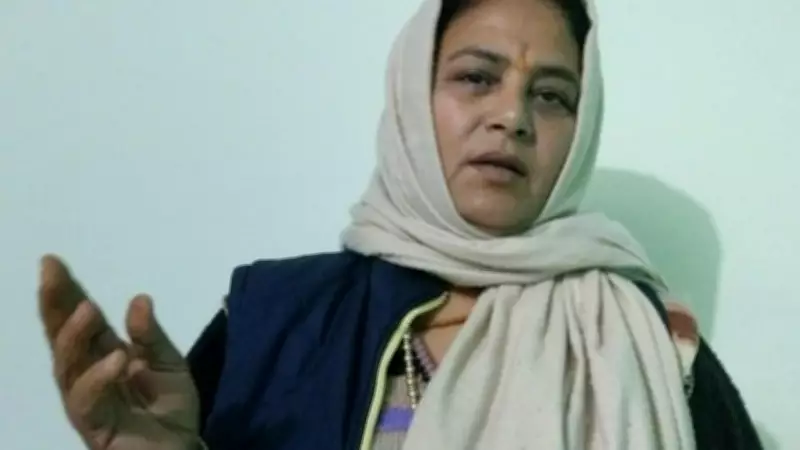
Similarly, Nirmala (54), the widow of Ram Singh and a resident of Mohali's Phase 5, described her plight as an issueless woman entirely dependent on her husband. "His death left me uncertain about my future. With this pension, I can now live independently without having to rely on others," she said, adding that she continues to serve at the PGI langar, a tradition she shared with her husband.
Implications and Broader Context
This ruling underscores critical gaps in the implementation of social security schemes like ESIC, which are designed to protect workers and their families. The Commission's order not only provides immediate relief to the affected widows but also sets a precedent for similar cases, potentially prompting reforms in how employment injury claims are processed. It highlights the need for greater accountability and transparency in governmental bodies tasked with safeguarding workers' rights.

The decision has been welcomed by labor rights advocates, who argue that such legal interventions are essential to ensure that vulnerable families receive the support they are entitled to under the law. As ESIC moves to comply with the order, this case serves as a reminder of the ongoing challenges in India's labor welfare ecosystem and the importance of robust consumer protection mechanisms in addressing them.