Karnataka Police Uncover Elaborate Extortion Scheme Involving Fake RTI Officials
In a shocking case from Karnataka's Belagavi district, police have arrested three individuals who allegedly posed as Right to Information (RTI) officials and journalists to film the private moments of government employees using concealed cameras. The accused attempted to extort a staggering Rs 50 lakh by threatening to release the compromising footage publicly.
Modus Operandi and Arrest Details
The arrested men have been identified as Samir Nisar (32), Rashid (51), and Dilawar (43). According to police reports, the accused meticulously observed the daily routines of their targets to gain unauthorized access to their residences. They exploited a common security lapse where victims would leave house keys near the door or above the door frame when leaving home.
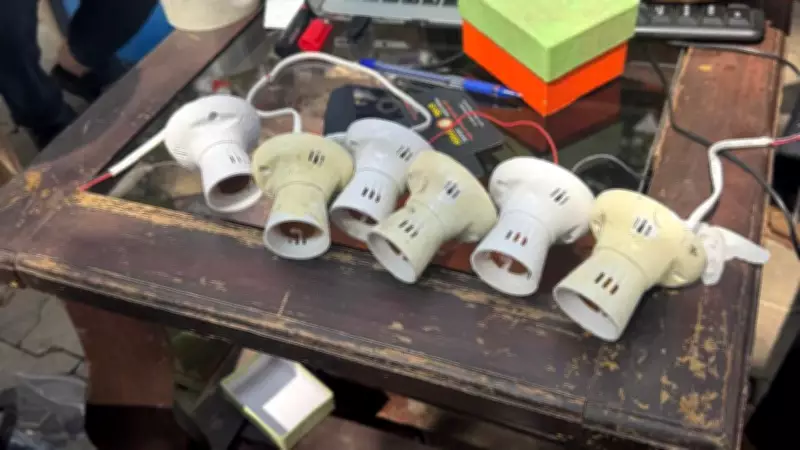
"The accused allegedly entered the houses when the occupants were away and installed hidden cameras in strategic locations," explained a senior police officer involved in the investigation. The cameras were cleverly concealed within light holders and side holders in bedrooms and living areas, enabling covert recording without consent.

Evidence Seized and Ongoing Investigation
Following a formal complaint, police formed a special team that conducted raids leading to the arrests. During the operation, authorities confiscated substantial evidence including:
- Six smartphones
- Six hidden camera holders
- Eight memory cards
- A 64 GB pen drive
- Two OTG devices
- A Toyota Innova Crysta vehicle
Investigators have uncovered that a government office employee allegedly collaborated with the accused by providing information and facilitating access to targets. This individual is currently absconding, with police actively working to locate and apprehend them.
Legal Framework and Broader Implications
A case has been officially registered under multiple sections of the Bharatiya Nyaya Sanhita, including Section 308(2) for extortion, Section 77 for voyeurism, and Section 351 for criminal intimidation. Additional charges have been filed under relevant provisions of the Information Technology Act, 2000.
Police suspect the accused may have been involved in similar extortion attempts at multiple locations, suggesting this might not be an isolated incident. The identities of the two primary victims in this particular case remain protected and have not been disclosed to the public.
Authorities are continuing their investigation to identify any additional victims and determine whether the arrested individuals were part of a larger, more organized extortion network operating in the region. The police have emphasized that further details will emerge as the investigation progresses.