

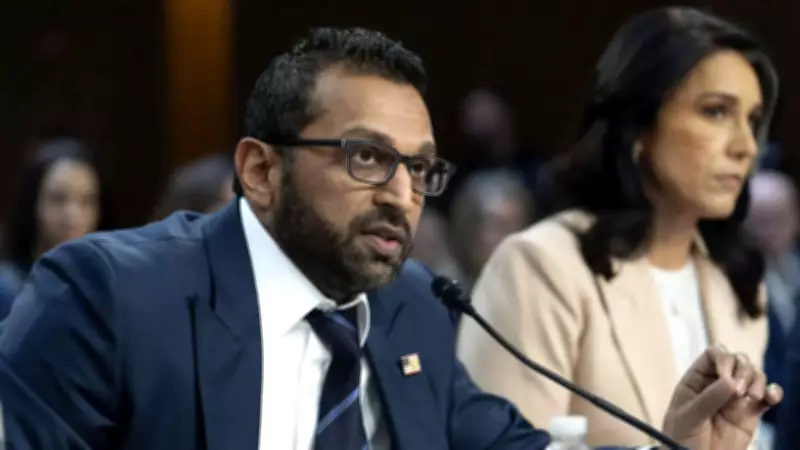
FBI Director Kash Patel Files High-Profile Defamation Lawsuit Against The Atlantic
In a striking legal move, FBI Director Kash Patel has initiated a defamation lawsuit against The Atlantic magazine and one of its reporters, seeking at least $250 million in damages. The 19-page complaint, filed this week in federal court in Washington, DC, accuses the publication of knowingly publishing false and defamatory claims about Patel's behavior, alcohol use, and job performance. The lawsuit argues that The Atlantic acted with "actual malice," a critical standard in defamation cases involving public figures.
Spelling Errors Undermine Lawsuit's Emphasis on Accuracy
Despite the serious nature of the allegations, a review of the court filing reveals several basic spelling and editing errors that have drawn attention. Among the mistakes are "feable" instead of "feeble," "politices" instead of "policies," and "dicussed" instead of "discussed." These typos do not affect the legal substance of the case but stand out prominently in a lawsuit that repeatedly stresses the importance of accuracy and truthfulness. Court documents are typically scrutinized by multiple lawyers before submission, especially in high-stakes cases involving prominent officials like the head of the FBI.
Allegations of False Reporting and Anonymous Sources
The lawsuit claims that The Atlantic relied on anonymous sources to publish false allegations about Patel, including claims that he drinks too much and misses important meetings. According to the filing, these assertions were denied before publication by the FBI, the Justice Department, and the White House. The legal action follows a public dispute between Patel's team and the magazine, sparked by a report from journalist Sarah Fitzpatrick. Her article alleged that Patel had a drinking problem, known within the Trump administration, and that his security team sometimes struggled to wake him when he appeared intoxicated.

Defense and Counterarguments from Both Sides
Fitzpatrick has defended her reporting, stating that she stands by it and that it was carefully verified. She noted that the publication has strong legal backing and claimed officials did not dispute the claims when contacted. "This is telling," she said in response to threats of legal action. On the other hand, Patel's allies have vehemently rejected the allegations. Adviser Erica Knight criticized the story as based on unverified claims, accusing journalists of relying on "disgruntled biased claims" to set a narrative. Another associate, Clint Brown, dismissed the claims, saying he never witnessed excessive drinking by Patel during extensive time spent together.
Pre-Publication Warnings and Public Pushback
Before the article's publication, Patel's lawyers at Binnall Law Group warned The Atlantic against publishing what they described as false claims. In a letter, the firm stated, "Should you publish these false allegations, Director Patel will take swift action to uphold his reputation." Patel himself has continued to push back publicly, posting on social media that he is unconcerned by "fake news" and emphasizing his commitment to his duties. He later added on television, "If the fake news mafia isn't hitting you with baseless info, you're not doing your job."
The case highlights ongoing tensions between government officials and media outlets over journalistic standards and the use of anonymous sources. As the lawsuit proceeds, the spelling errors may become a point of discussion, but the core issues revolve around truth, reputation, and the boundaries of reporting in the digital age.






