

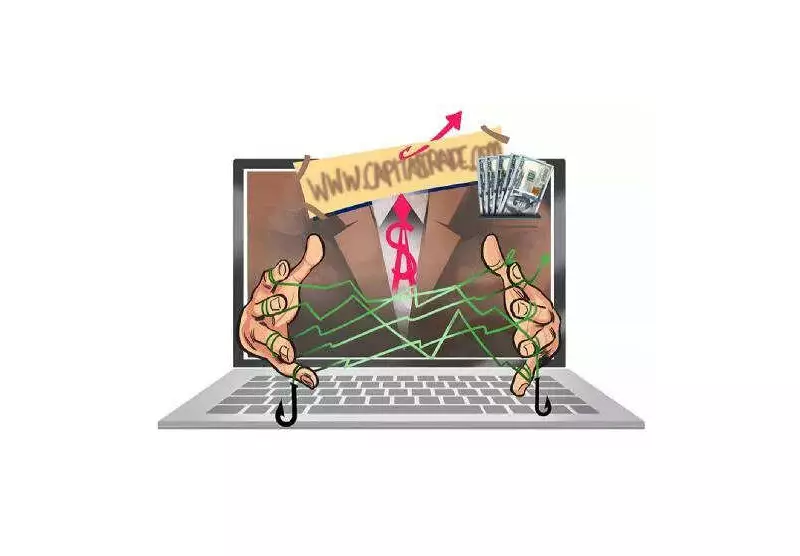
In a significant breakthrough, the Noida cybercrime police have apprehended a fifth individual allegedly connected to extensive Chinese cyber fraud networks. The arrest is linked to a sophisticated scam that cheated victims across multiple Indian states with promises of high returns on stock market investments.
The Arrest and the Accused
Sudhakar Garg, a 40-year-old resident of Rohtak in Haryana, was taken into custody on Wednesday. His arrest is connected to a major fraud case amounting to a staggering Rs 12 crore. The investigation was initiated after a formal complaint was lodged with the cybercrime unit on December 3. The complainant detailed how a group of criminals convinced him to invest large sums of money by guaranteeing profits from stock trading.
Authorities have charged Garg under relevant sections of the new Bharatiya Nyaya Sanhita (BNS), specifically Section 318(4) for cheating and Section 319(2) for cheating by personation. Additionally, charges have been applied under Section 66D of the Information Technology Act, which pertains to online fraud. Acting swiftly, police froze several bank accounts suspected of being used in the fraudulent scheme soon after the complaint was registered.

Unraveling the Multi-State Network
Garg's arrest is not an isolated event. Four other suspects were previously arrested on December 5 and are currently in judicial custody. Two of these individuals were detained in Mumbai and two in Hyderabad, highlighting the pan-India reach of the criminal operation.
During interrogation, Garg revealed crucial details about the modus operandi. He stated that he was contacted via Instagram by a man identified as Rashid Khan, also known as Lucky. Khan allegedly instructed Garg to establish a GST-registered firm and open current bank accounts. Subsequently, the holders of these accounts were summoned to Mumbai. Investigators discovered that funds acquired through cyber fraud were systematically funneled through these accounts.
The Money Trail and Widespread Impact
The financial mechanics of the scam were complex. Garg reportedly received a commission of 7-10% of the deposited money in cash. The account holders, whose identities were used, were paid a smaller cut of 1-3% in US dollars. These US dollars were then converted on cryptocurrency platforms, and the resulting proceeds were transferred to other bank accounts using Unified Payments Interface (UPI) systems.
Police investigations indicate that Garg had been active in cyber fraud for approximately a year. At least five of his personal bank accounts were utilized in this criminal operation. The scale of the fraud is evident from the fact that a total of 37 complaints linked to these accounts have been registered on the National Cybercrime Reporting Portal. Victims span several states, including Karnataka, Maharashtra, Tamil Nadu, Delhi, and Uttar Pradesh.
Law enforcement officials have confirmed that efforts are ongoing to track down and arrest other members of this extensive fraud network. This case underscores the evolving threats in the digital finance space and the continuous efforts by cybercrime units to dismantle such transnational operations.






