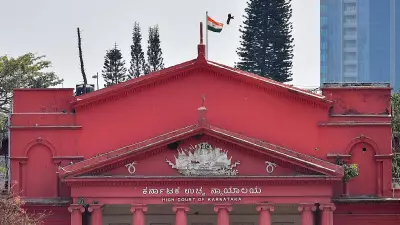
Fast-Track Court Commences Daily Hearings in Zubeen Garg Death Case
The fast-track sessions court established by the Gauhati High Court to conduct day-to-day trial proceedings in the death case of renowned singer Zubeen Garg held its inaugural hearing on Monday in Guwahati. This special judicial mechanism aims to expedite the legal process surrounding the high-profile incident that has captured national attention.
Legal Proceedings and Submissions
During Monday's session, counsel representing arrested singer Amritprava Mahanta presented detailed submissions before Justice Sharmila Bhuyan. The legal arguments focused on the prosecution's initial case details as outlined by special public prosecutor Ziaul Kamar. The court meticulously recorded these submissions as part of the formal trial commencement.
The lawyers for two other accused individuals—Shyamkanu Mahanta and Siddhartha Sharma—are scheduled to present their respective cases before the court on Tuesday. This structured approach ensures systematic examination of all parties involved in the complex legal matter.

Background of the Case
Zubeen Garg, the celebrated 52-year-old singer, tragically died in Singapore on September 19. The incident sparked immediate controversy when Assam Chief Minister Himanta Biswa Sarma described the death in the state assembly as "plain and simple murder." Following this declaration, a Special Investigation Team (SIT) from Assam Police's Criminal Investigation Department filed a comprehensive chargesheet naming seven individuals as accused.
Among these seven, four face formal murder charges under relevant sections of the Indian Penal Code. The chargesheet represents the culmination of extensive investigative work by Assam authorities who have pursued the case as a potential homicide despite international jurisdictional complexities.
Contradictory Findings and Family Response
In a significant development that adds complexity to the legal proceedings, the Singapore coroner recently issued an official ruling stating that Zubeen Garg's death resulted from "simply due to an unfortunate and tragic accidental drowning." This finding directly contradicts the murder charges pressed by Assam authorities, creating a unique legal scenario where domestic charges conflict with international forensic conclusions.
Garima Saikia Garg, Zubeen's wife, expressed appreciation for the fast-track judicial process. She stated, "The hearing will now be held daily in the morning and afternoon sessions. We maintain hope that the proceedings will advance rapidly with a favorable outcome expected in the near future." Her comments reflect the family's desire for judicial expediency and closure in this emotionally charged case.
Court Structure and Future Proceedings
The fast-track court represents a specialized judicial initiative designed to handle sensitive cases requiring urgent attention. By conducting hearings both morning and afternoon each day, the court aims to minimize delays that typically characterize complex legal proceedings. This approach demonstrates the judiciary's commitment to addressing high-profile cases with appropriate urgency while maintaining procedural integrity.
As the trial progresses, legal experts anticipate intense scrutiny of the contradictory findings between Assam's murder charges and Singapore's accidental drowning ruling. The court will need to navigate these international jurisdictional issues while evaluating substantial evidence presented by both prosecution and defense teams.