

Foreign Nationals Detained at Sensitive UK Nuclear Submarine Facility
Two foreign nationals have been arrested after allegedly attempting to gain access to a high-security United Kingdom naval base that houses Britain's nuclear-armed submarine fleet. The incident has sparked fresh security concerns at a time of escalating geopolitical tensions in the Middle East region.
Details of the Security Incident
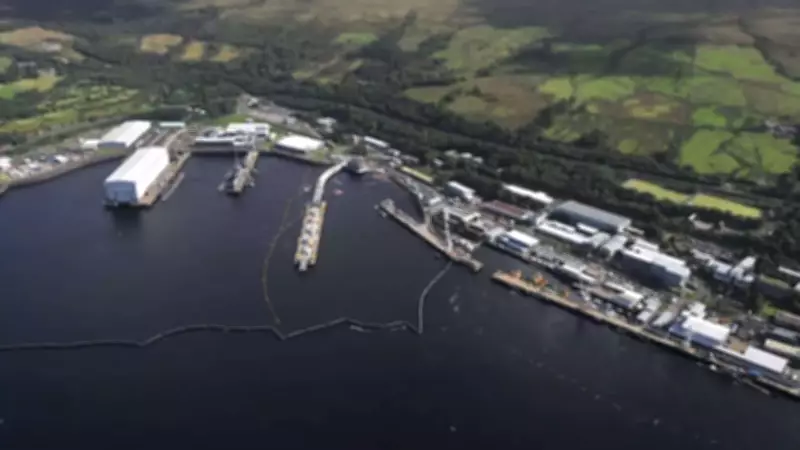
Police Scotland detained a 34-year-old Iranian man and a 31-year-old Romanian woman near HM Naval Base Clyde, commonly referred to as Faslane, on Thursday evening. The strategic military installation is located near Helensburgh in Scotland and serves as the home port for the United Kingdom's fleet of nuclear submarines, including those equipped with Trident ballistic missiles.
According to official statements, the pair approached the highly restricted site and sought entry but were denied access by security personnel. They reportedly remained in the immediate vicinity of the base before being arrested on suspicion of suspicious activity. Authorities have confirmed that the individuals did not successfully breach the base's security perimeter, though their intentions remain under investigation.

Legal Proceedings and Ongoing Investigation
Both detained individuals are scheduled to appear before Dumbarton Sheriff Court on Monday. Police Scotland has not yet disclosed the exact nature of the charges, citing an ongoing investigation into the circumstances surrounding the incident.
While security agencies have not officially confirmed any direct link to espionage or terrorism activities, sources acknowledge heightened alertness due to the current geopolitical climate, particularly concerning Iran's regional activities. A Royal Navy spokesperson stated that the matter remains under active investigation and declined to provide further comment at this time.
Strategic Importance of Faslane Naval Base
Faslane represents one of the United Kingdom's most sensitive and strategically important military installations. The base hosts the country's Vanguard-class submarines, which carry Trident nuclear missiles and form the backbone of Britain's nuclear deterrent capability. Additionally, the facility supports Astute-class attack submarines and coordinates with the nearby Royal Naval Armaments Depot at Coulport, where the UK's nuclear warheads are stored.
The United Kingdom has maintained a continuous at-sea nuclear deterrent since 1969, making security at Faslane of paramount national importance. The base has also been a focal point for anti-nuclear activism for decades, with a peace camp established in the early 1980s continuing to operate outside the facility, staging regular protests against nuclear weapons and military policy.
Geopolitical Context and Security Implications
This security incident occurs during a period of heightened global tensions following recent military actions involving the United States, Israel, and Iran. Recent developments include:
- US and Israeli strikes targeting Iranian interests
- Tehran's retaliatory actions against allied targets in the region
- Reports of Iran firing ballistic missiles toward a joint US-UK military base in the Indian Ocean
- The United Kingdom expanding support for US operations aimed at securing key shipping routes near the Strait of Hormuz
While investigators have not formally linked the Faslane incident to the broader Middle East conflict, the timing has intensified scrutiny over potential foreign threats on British soil. Security analysts note that the combination of the individuals' nationalities, the sensitive nature of the target facility, and the current geopolitical climate warrants thorough investigation and continued vigilance.
The incident serves as a reminder of the ongoing security challenges facing Western nations as they navigate complex international relations while protecting critical national infrastructure from potential threats.






