The year 2025 marked a historic turning point in India's decades-long fight against left-wing extremism, with Maharashtra's Gadchiroli district emerging as the epicenter of a decisive victory. Strategic police operations combined with an unprecedented wave of surrenders critically weakened the Communist Party of India (Maoist), significantly eroding its once-formidable stronghold, particularly in the Abujmarh region spanning the Maharashtra-Chhattisgarh border.
Gadchiroli's Dual Strategy: Encounters and Surrender Drives
Over the two-year period of 2024 and 2025, security forces in Gadchiroli achieved remarkable success by neutralizing more than 40 armed Maoist cadres. The year 2024 was particularly intense, witnessing the elimination of 33 to 35 rebels. Major operations that year included an encounter in the Wandoli forests in July, which claimed 12 Maoist lives, and another in Bhamragad in October, where 5 were killed.
In a strategic shift, 2025 saw fewer armed engagements as the focus moved decisively towards encouraging rebels to lay down their arms. This change in tactic proved to be a masterstroke, yielding results far beyond expectations.

The Unprecedented Surrender Wave of 2025
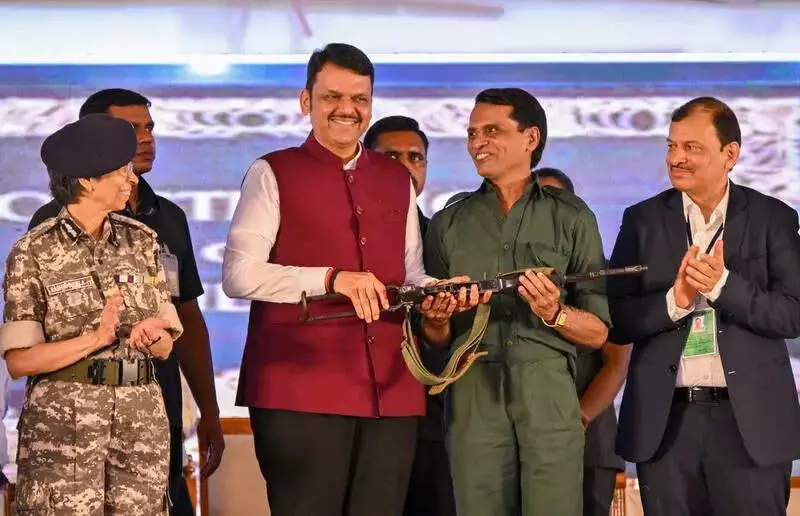
The most significant development of the year was the mass surrender of Maoist cadres, which reached a record high. In total, over 150 insurgents chose to return to the mainstream in 2025 alone. The defining moment came in October, when 61 cadres, led by the high-ranking Politburo member Mallojula Venugopal Rao (alias Bhupathi or Sonu), surrendered before Maharashtra's Deputy Chief Minister, Devendra Fadnavis. Rao carried a combined bounty exceeding ₹6 crore on his head.
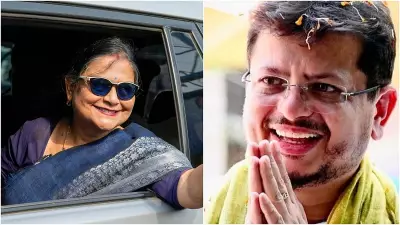
This event prompted a triumphant declaration from Fadnavis, who stated, "Gadchiroli has broken the backbone of Maoism, signalling its end." Other notable surrender events included a group of 11 in January, which featured Tarakka, the wife of senior leader Bhupathi, and another 11 in December, with dozens more giving up throughout the year.
National Impact and the Road to a Naxal-Free India
The cascading effect of these surrenders was dramatic. By the middle of 2025, the number of active armed Maoist cadres in the region had plummeted to just 24. This success is attributed to the relentless operations of the elite C-60 police commandos, highly coordinated inter-state border strategies, and effective rehabilitation policies that undermined local recruitment and support networks.
The Gadchiroli model contributed to a national milestone. In 2025, India saw 270 Maoist neutralisations, 680 arrests, and a record 1,225 surrenders—the highest number ever recorded in a single year. Security experts point to a combination of intensified security pressure, the reach of development projects into remote tribal areas, and growing ideological disillusionment within the Maoist ranks as key reasons for this decline.
With Maoist influence now confined to a handful of districts, the central government's ambitious target of achieving a Naxal-free India by March 2026 appears increasingly attainable. The breakthroughs in Gadchiroli have provided a replicable blueprint for dealing the final blows to one of India's most persistent internal security challenges.