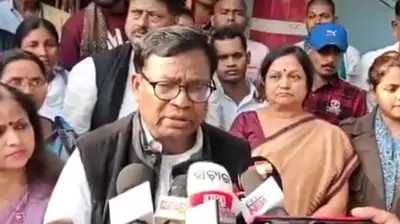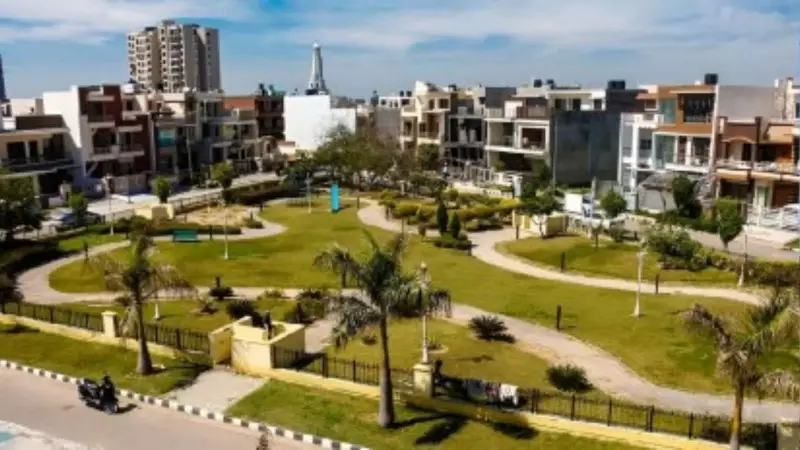
The ongoing anti-encroachment drive by the Greater Mohali Area Development Authority (GMADA) and the Municipal Corporation in Mohali has sparked significant legal controversy and public confusion. Senior Advocate Pritpal Singh Bassi has filed a contempt of court petition against the authorities, arguing that their actions violate established judicial procedures by proceeding without serving mandatory individual notices to plot owners.
Legal Challenge and Court Proceedings
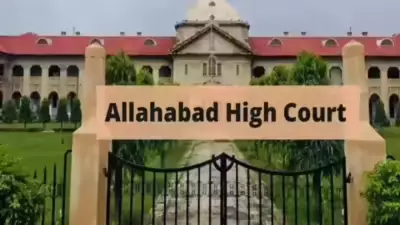
The core of the dispute lies in the method of execution. While officials claim the drive follows court orders, legal experts strongly contest this. Advocate Bassi has taken the matter to the Punjab and Haryana High Court, filing a contempt petition against both GMADA and the Mohali Municipal Corporation. The case was initially listed for hearing on December 18, 2025, but due to an ongoing lawyers' strike, the next hearing is now scheduled for December 23, 2025.
Bassi refuted the administration's justification, which cites a 2020 contempt case filed by Manoj Vashisht. He pointed out a critical lapse: GMADA has not yet submitted its own landscape policy before the court. This omission raises questions about the legal foundation of the current enforcement actions.
Understanding GMADA's Landscape Policy and Citizen Rights
Explaining the policy's nuances, Bassi clarified that corner plots are permitted landscaping up to 30 feet. If a Residents' Welfare Association (RWA) wishes to use land for community purposes, GMADA must ensure the plot owner provides the space, but even then, seven feet must be reserved for landscaping.
The advocate made a crucial distinction: a temporary structure placed after leaving five feet from the road in front of a house is a violation, not an encroachment. In such cases, the law mandates an individual notice to be served, giving the owner a chance to respond. Action can only proceed if GMADA is unsatisfied with the reply.
Court Judgments and Supreme Court Guidelines
Bassi emphasized that several High Court judgments from 2023 and 2024, specifically referencing CWP No. 160 of 2023 and CWP No. 16204 of 2023 from Panchkula, establish a clear precedent. These rulings state that no regulatory authority—be it in Haryana or Punjab, including GMADA—can act on the basis of public notices alone. Individual notices are compulsory in every case.
"Any action taken without serving individual notices directly amounts to contempt of court," Bassi asserted. He empowered citizens, stating every plot owner has the right to cite these judgments on the spot to halt unlawful action.
He further reinforced this by citing 2024 Supreme Court guidelines, which invalidate notices published only in newspapers during demolition drives. The guidelines stipulate:
- An individual notice must be served to the plot owner, property owner, or occupant.
- A neighbour must witness the notice serving.
- If the property is vacant, the notice must be affixed on-site.
- A mandatory 15-day period must be given after notice before any further action.
Under GMADA's own policy, penalties are structured: ₹25 per foot for the first 15 days, with increased rates from the 16th-17th day. Demolition or stringent action can only be initiated after 30 days.
With the drive currently halted but subject to resumption, Bassi's intervention highlights a critical clash between administrative action and procedural justice, putting Mohali residents' legal safeguards at the forefront of this urban governance issue.