A sessions court in Goa has granted bail to two managers of a popular nightclub in Anjuna that was gutted in a major fire earlier this year. The decision came after the investigating police agency failed to file a chargesheet within the legally stipulated timeframe.
Bail Granted on Technical Ground
The Additional Sessions Court in Mapusa ordered the release of Suraj Shinde and Sagar Suryavanshi, who were managers at the nightclub known as 'Cafe'. They had been in judicial custody since their arrest in connection with the devastating fire. The court's ruling was based on a specific provision of the Code of Criminal Procedure (CrPC).
The court emphasized that the police had not submitted a chargesheet within 90 days of the accused's arrest, which is a mandatory requirement for the court to continue their detention. This legal technicality formed the cornerstone of the defense's argument for bail, which the court ultimately accepted.

The Anjuna Nightclub Fire Incident
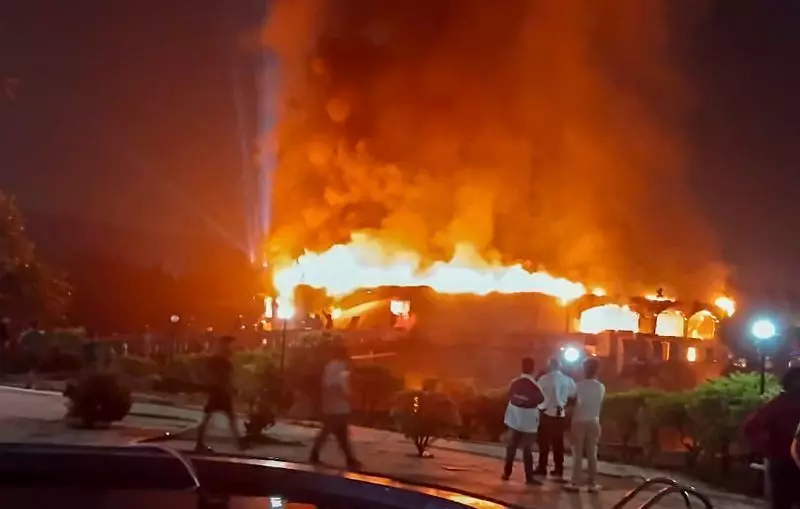
The incident that led to the arrests occurred on February 15, 2024. A massive fire broke out at the 'Cafe' nightclub located in the bustling coastal village of Anjuna in North Goa. The blaze caused extensive damage to the property, completely destroying the structure. Fortunately, no casualties were reported in the incident, but the financial loss was significant.
Following the fire, the Anjuna police registered a case and initiated an investigation. The two managers, Shinde and Suryavanshi, were taken into custody as part of the probe. The police had invoked several sections of the Indian Penal Code (IPC) against them, including charges related to negligence and endangering life.
Legal Proceedings and Future Steps
During the bail hearing, the defense counsel successfully argued that the investigating officer had not complied with Section 167(2) of the CrPC. This section mandates that if the police do not file a chargesheet within 60 or 90 days (depending on the severity of the alleged offense), the accused acquires an indefeasible right to be released on bail.
The court granted bail to both accused persons on a personal bond of Rs 50,000 each. As standard conditions, they have been instructed not to tamper with evidence or influence any witnesses connected to the case. They are also required to cooperate with the ongoing investigation.
While the managers have been released, the police investigation into the cause of the fire is expected to continue. Authorities will now need to complete their probe and file a chargesheet based on their findings to proceed with the trial. The case highlights the critical importance of procedural timelines in the Indian judicial system and their direct impact on pre-trial detention.