

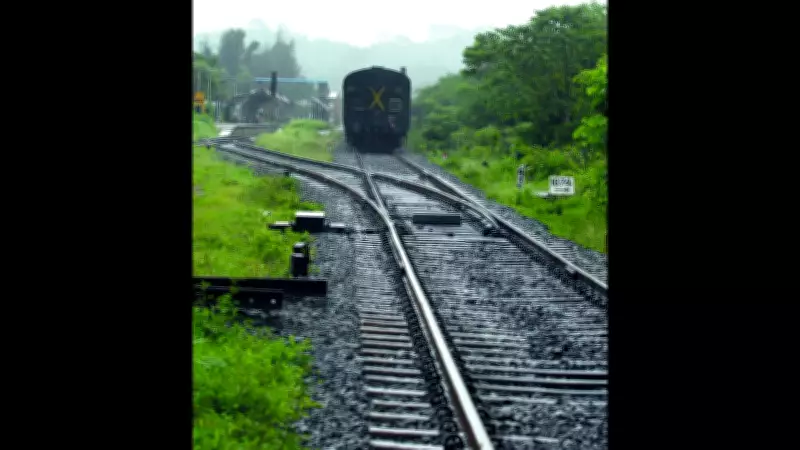
Velsao Land Dispute: Railway Track Doubling Case Adjourned Again After 16 Hearings
Residents of Velsao in Goa faced yet another setback in their prolonged legal battle over railway track doubling on Thursday, as the court of the inspector of survey of land records adjourned the case to May 4. This marks the latest development in a dispute that has spanned three years and involved 16 hearings, with local residents consistently hoping for a favorable resolution that has remained elusive.
Allegations of Illegal Construction Without Land Acquisition
The residents, who are respondents in the case, have made serious allegations against Rail Vikas Nigam Ltd (RVNL). They claim that the government-owned railway infrastructure company has been proceeding with track doubling work on private properties without formally acquiring the land or establishing clear ownership rights. This fundamental issue lies at the heart of the ongoing conflict between the community and the railway authorities.
"The Railways does not hold conveyance deeds for any of the properties on which it wants to build the second track. That is the root cause of this problem," emphasized activist Claude Alvares during discussions with reporters. "Until they acquire these properties, no work should be carried out." Alvares went further to characterize the railways as "a lawless force in Goa," highlighting the depth of frustration among affected residents.

Political Support and Official Meetings
Earlier on Thursday, a delegation of Velsao residents accompanied by prominent political figures met with South Goa collector Egna Cleetus to formally present their grievances. The delegation included Congress president Amit Patkar, GFP president Vijai Sardesai, and activist Claude Alvares, among others. They submitted a detailed memorandum outlining what they describe as illegal activities by the Railways in Velsao.
Patkar called for immediate dismissal of the petition against the villagers, stating: "The inspectorate of settlement and land records must function to protect citizens — not to serve vested interests." His statement reflects growing concerns about institutional bias in land dispute cases.
Sardesai echoed these sentiments, declaring: "Carrying out work on private land without proper acquisition is a direct assault on citizens' rights." This strong language underscores the political dimension that has now become intertwined with the legal proceedings.
Legal Proceedings and Resident Frustrations
During Thursday's hearing, residents objected to the fresh adjournment, arguing that RVNL had already been granted sufficient time to file its reply and produce necessary documentation. Their objections, however, proved unsuccessful as the court pushed the case forward by several weeks.
The case represents a classic conflict between infrastructure development and property rights, with residents maintaining that proper procedures must be followed regardless of the project's importance. The adjournment means that uncertainty continues for both the residents whose land is affected and the railway project that seeks to expand transportation infrastructure in the region.
As the May 4 hearing date approaches, all parties will be preparing their next legal moves in a dispute that has become emblematic of broader tensions between development projects and community rights in Goa.






