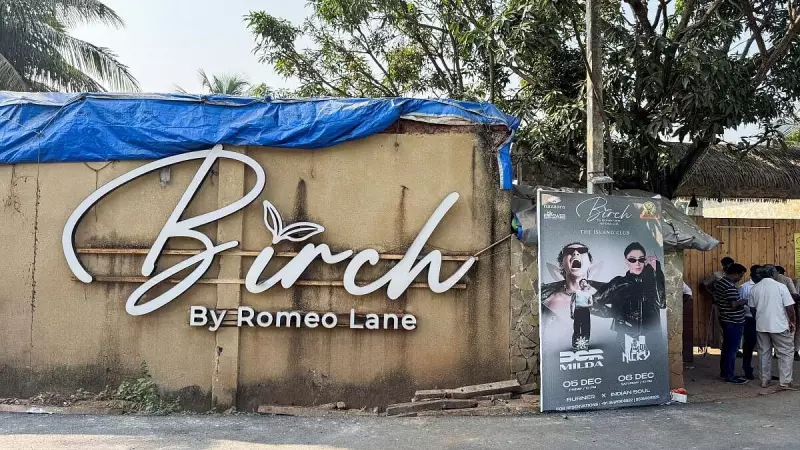
A sombre scene unfolded outside a morgue in Goa as grieving families gathered to identify the bodies of loved ones lost in a devastating nightclub fire. The tragedy has taken a poignant turn, with some relatives, who had travelled from a village in Jharkhand, stating they would not accept the mortal remains. They have made a firm demand that the owner of the nightclub arrange and bear the cost of transporting the bodies back to their hometowns.
Grief and Anger at the Morgue
The aftermath of the fire has left families in a state of profound shock and anguish. Having made the long journey to Goa, their trauma was compounded by the grim task of identification. The emotional toll was visible as they confronted their loss, with their grief quickly turning into a demand for accountability and support in their hour of need.
A Firm Demand from Jharkhand Families
Families hailing from a specific village in Jharkhand have taken a collective stand. They have explicitly refused to accept the bodies of the deceased. Their primary condition is clear: the proprietor of the nightclub where the fire broke out must make all necessary arrangements to send the mortal remains back to their native place. This demand underscores the logistical and financial burdens that such tragedies impose on poor families, who are already dealing with immeasurable personal loss.
Seeking Accountability and Action
The incident, reported on 07 December 2025, has raised serious questions about safety protocols in entertainment venues. While the immediate focus is on providing closure to the bereaved, the families' refusal to accept the bodies is a powerful statement. It shifts the responsibility for the final rites and associated costs onto the establishment they hold responsible for the catastrophe. Authorities are now faced with the dual challenge of conducting a thorough investigation into the fire accident while also mediating this sensitive issue to ensure the victims are laid to rest with dignity.
The coming days will be critical as officials engage with the distressed families and the nightclub management to find a resolution. This tragic event highlights the human cost of safety lapses and the extended ripple effects of such disasters on migrant worker communities across India.