Govandi Resident Defrauded of Rs 6.5 Lakh in Elaborate Gas Bill Scam
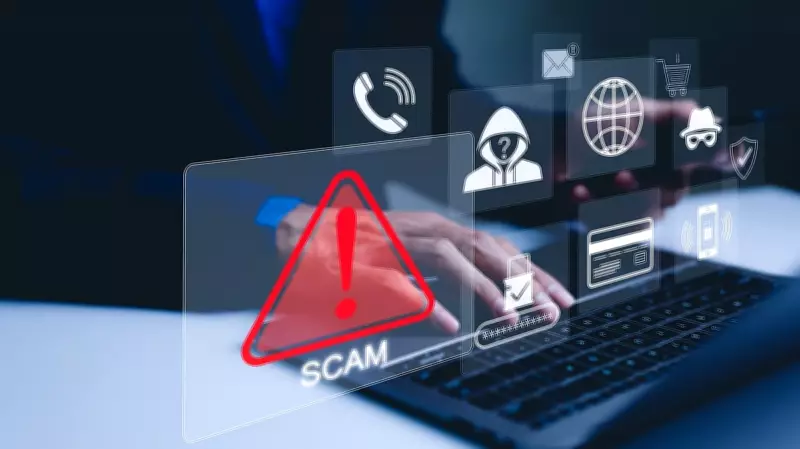
A 50-year-old woman residing in the Govandi area of Mumbai, Maharashtra, has suffered a devastating financial loss of Rs 6.5 lakh after falling victim to a sophisticated cybercrime scam. The incident, which occurred last week, highlights the growing threat of digital fraud targeting unsuspecting citizens through deceptive communication channels.
Details of the Deceptive SMS and Fraudulent Link
According to official reports, the victim received a text message on her mobile phone that appeared to be from a legitimate gas company. The message urgently instructed her to contact an official of the gas firm and provided a link for what was described as a "quick payment" option to settle an outstanding bill. Trusting the authenticity of the communication, the woman proceeded to download the link, which led to a fraudulent website designed to mimic a genuine payment portal.
This action triggered the scam, resulting in the unauthorized transfer of Rs 6.5 lakh from her bank account to the fraudsters. The officials investigating the case have noted that such scams often exploit the urgency and trust associated with essential utility services, making them particularly effective against vulnerable individuals.

Rising Cybercrime Trends in Maharashtra and India
This incident is part of a broader pattern of increasing cybercrime activities across Maharashtra and India, where scammers use phishing techniques via SMS, email, and social media to deceive people. Authorities emphasize the importance of verifying the source of any unsolicited messages before taking action, especially those involving financial transactions. Common red flags include requests for immediate payment, links to unfamiliar websites, and communication from unverified numbers.
To protect against such frauds, cybersecurity experts recommend the following precautions:
- Avoid clicking on links in unsolicited messages, even if they appear to be from known entities.
- Directly contact companies through official channels to confirm any payment requests.
- Use secure payment methods and enable two-factor authentication on bank accounts.
- Report suspicious messages to local authorities or cybercrime cells immediately.
The case in Govandi serves as a stark reminder of the need for heightened awareness and vigilance in the digital age, as scammers continue to evolve their tactics to exploit technological advancements and human psychology.