

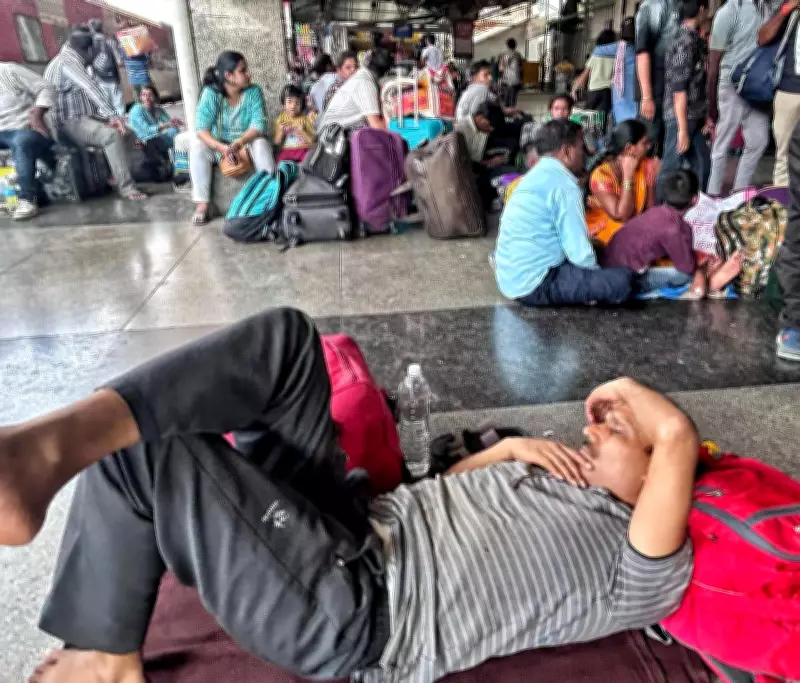
Pune: Officials of the Government Railway Police (GRP) have relocated 60 beggars from various platforms and entry and exit points at Pune railway station to a government-run rehabilitation facility over the past two months. This initiative aims to enhance passenger safety and improve cleanliness on the premises.
Rehabilitation and Vocational Training
“We have shifted these individuals to the Government Beggars’ Home in Phulenagar in Yerawada. They are undergoing vocational training in activities such as broom-making, sewing, and other skills. We hope this will help them lead a better life,” said senior inspector Pramod Khopikar of the GRP’s Pune Railway Station police station.
Concerns Over Beggars at Station
According to Khopikar, the presence of beggars at the station had become a concern for both passengers and railway authorities. “These individuals were littering and creating unhygienic conditions on the platforms and near the station’s entry and exit points. We also received complaints that some of them were harassing passengers on trains and platforms,” he said.

Objectives of the Drive
The senior inspector said the drive was launched with the twin objectives of improving security and creating a more comfortable environment for commuters. “We wanted to ensure a safer and more passenger-friendly atmosphere at the railway station and therefore initiated this action. The drive will continue in the coming months as well,” he added.
Background of the Beggars
Officials said the beggars belonged to different parts of the country, and many had been living at the railway station for several months, relying on facilities such as washrooms and waiting areas. During the operation, police also came across several individuals facing social and personal challenges.
“We found that some were suffering from memory loss, some were addicted to drugs. Some had been involved in theft-related offences, while others had run away from their homes. Instead of taking up employment, they had resorted to begging at the station. Some of those addicted to drugs were also involved in thefts,” Khopikar said.
Legal Procedure and Challenges
Under the procedure followed by the GRP, individuals found begging are produced before a court, which then decides whether to send them to the Beggars’ Home. Depending on the circumstances of each case, the period of stay can range from 15 days to one year.
Asked whether some rehabilitated individuals return to the station after their release, Khopikar acknowledged that a few do. “We have come across cases where individuals returned to the station because food and money are readily available here. Whenever such cases are detected, they are sent back to the rehabilitation home,” he said.
Sustained Enforcement Measures
Khopikar said the number of beggars at Pune railway station has gradually declined due to sustained enforcement measures. “We have sealed several unauthorised entry and exit points around the station. Security personnel keep a close watch on people entering the premises. As a result, the number of beggars in and around the station area is steadily decreasing,” he said.






