

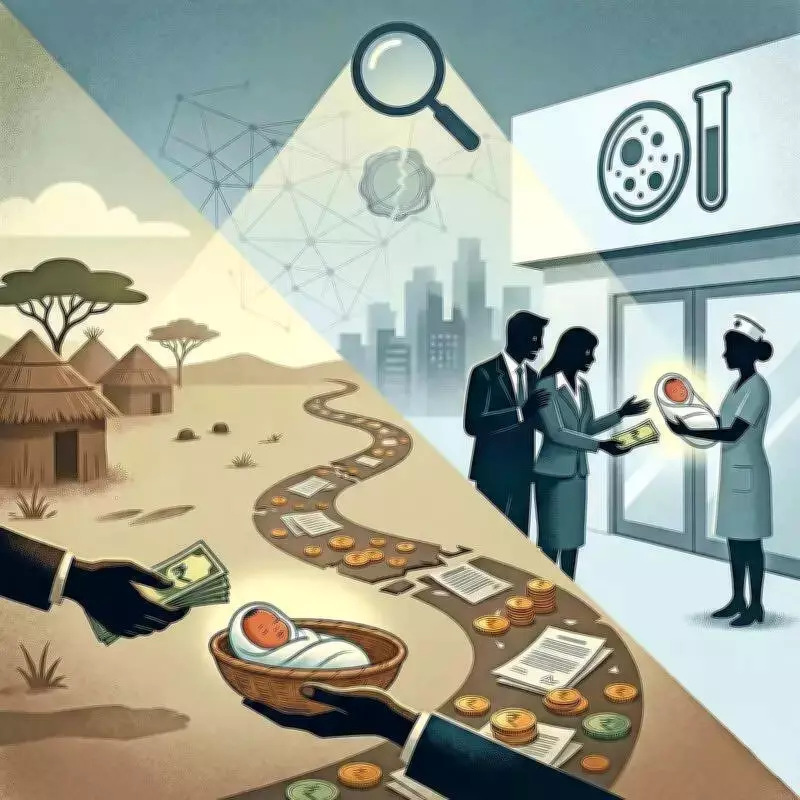
Gujarat Child Trafficking Racket Exposes Deep-Rooted Poverty Crisis
In a heartbreaking case that highlights extreme poverty and desperation, a couple from Banaskantha district in Gujarat sold their 10-day-old son because he was their fifth child and they could not afford to feed another mouth. The parents, who work as daily wage laborers, were arrested along with two child traffickers on Monday, bringing the total number of arrests in this disturbing case to nine.
Investigation Uncovers Systematic Trafficking Network
The arrests mark the latest development in a child trafficking racket that was first uncovered three months ago. A senior crime branch officer confirmed the arrests and revealed that investigators are now working to determine a critical question: was this child born specifically to be sold, or did poverty alone drive the parents to this tragic decision?
The case initially broke on January 29 when four accused were intercepted near Ahmedabad airport while allegedly carrying a 15-day-old infant to Hyderabad for resale. Since then, police have discovered that at least 20 tribal children are suspected to have been trafficked to buyers in Hyderabad over the past two years.

Targeting Vulnerable Tribal Communities
Crime branch officers stated that the scale of the racket reflects both its organized nature and the extreme vulnerability of the communities being targeted. According to police investigations, agents operated systematically across remote tribal areas of north Gujarat, including:
- Poshina, Kheroj and Idar in Sabarkantha district
- Danta and Deesa in Banaskantha district
"The victims were not chosen at random," explained a crime branch officer. "Most belonged to poor families who had limited access to healthcare and education, making them particularly vulnerable to exploitation."
Children Priced by Gender, Age and Complexion
The investigation has revealed disturbing details about how children were valued in this illegal trade. Families were paid between Rs 5 lakh and Rs 15 lakh per child, with the price varying significantly based on specific characteristics:
- Fair-complexioned newborn boys fetched the highest amounts
- Girls were sold for considerably less
- Darker-complexioned children commanded lower prices
Ongoing Investigation and Wider Implications
While five people have been arrested in connection with this specific case, several others remain at large. Police are actively pursuing agents and alleged facilitators linked to IVF centers who may have been involved in the trafficking network. Investigators are currently examining financial records and hospital documents to establish how deeply these medical clinics were implicated in the illegal activities.
This case has brought renewed attention to the intersection of extreme poverty, lack of social support systems, and organized crime in vulnerable communities. The crime branch's ongoing investigation continues to uncover the sophisticated operations of trafficking networks that prey on families facing desperate circumstances.






