Gujarat High Court Permits Urgent Abortion for 14-Year-Old Rape Survivor
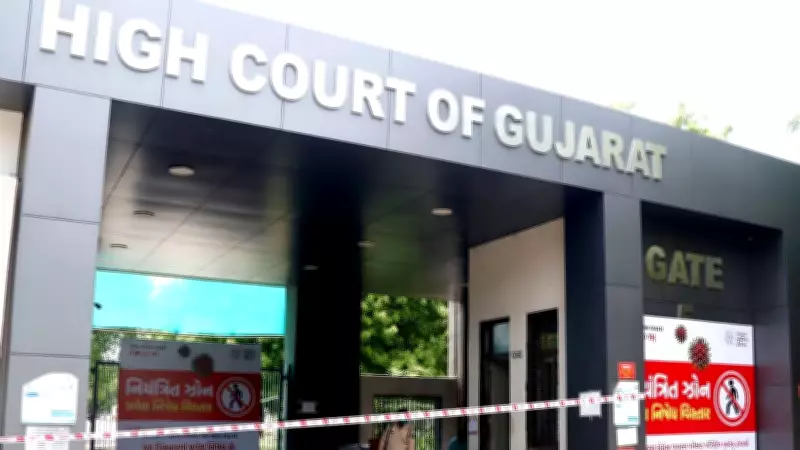
In a significant ruling, the Gujarat High Court has granted permission for the urgent medical termination of a 15-week pregnancy for a 14-year-old rape survivor. The court emphasized the necessity of acting swiftly to alleviate the trauma and mental agony faced by the young victim, while also ensuring comprehensive medical protocols are followed.
Court's Decision Based on Medical Opinion and Legal Precedents
Justice M R Mengdey, presiding over the case, based the decision on the best interest theory established through Supreme Court precedents. The court considered a detailed report from a medical committee, which included a gynaecologist, psychiatrist, physician, and radiologist. This panel confirmed the pregnancy was at 15 weeks and recommended termination under the Medical Termination of Pregnancy (MTP) Act.
The court noted in its oral order, "Considering the medical opinion given by the Medical Board as well as considering the trauma, mental agony and possible social ostracism which the applicant-victim has to undergo, this Court is inclined to allow the prayer for medical termination of the pregnancy."

Urgent Medical Procedure and Legal Safeguards
To expedite the process, the court directed three senior gynaecologists and a psychologist from Zydus Medical College in Dahod to examine the girl. It ordered the hospital to conduct the surgery on an urgent basis, emphasizing that "each day's delay will add to the victim's agony." The hospital was instructed to immediately form a medical team to perform the procedure.
Additionally, the court issued specific directives for post-procedure care:
- The tissue of the foetus must be handed over to the investigating officer for DNA sampling to aid the rape case investigation under the Protection of Children from Sexual Offences (POCSO) Act.
- If the baby is born alive, the hospital must provide the best available medical treatment to ensure it develops into a healthy child.
- Should the victim be unwilling to take responsibility for the child, the state and its agencies will assume full responsibility, adhering to the Juvenile Justice (Care and Protection of Children) Act, 2005.
Background of the Case and Legal Proceedings
The case originated in Dahod district, where an FIR was lodged under the POCSO Act. The girl's guardians initially filed a petition in December 2025, leading the court to order a medical examination by a committee from Civil Hospital, Dahod. However, the petition was withdrawn after the girl was reportedly abducted, prompting a separate FIR and a Habeas Corpus petition that led to her recovery.
On January 29, the court reconvened the committee, which submitted its report on February 2, paving the way for the recent decision. This ruling highlights the judiciary's role in balancing medical, legal, and humanitarian aspects in sensitive cases involving minors.