Gujarat High Court Dismisses Asaram Ashram Trust's Land Challenge
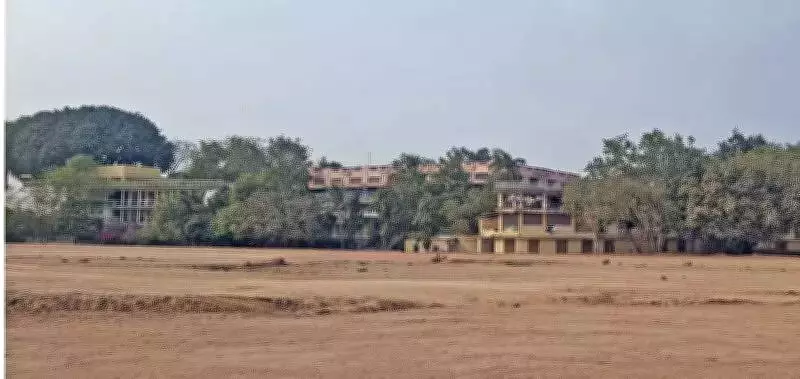
The Gujarat High Court has delivered a significant ruling, dismissing two petitions filed by the Sant Shree Asharam Ashram Trust. These petitions challenged the state government's decision to reclaim over 45,000 square meters of land where the ashram is currently situated. This decision paves the way for the land to be utilized for the expansion of the Sardar Patel Sports Complex, a major public facility in Motera, Ahmedabad.
Background of the Ashram and Legal Proceedings
The ashram, located near the iconic Narendra Modi Stadium in Motera, was founded by Asaram. Asaram has been incarcerated since 2013 in connection with two separate rape cases—one in Gandhinagar and another in Jodhpur, Rajasthan. He was recently granted temporary bail by the high court. His son, Narayan Sai, is also serving a life sentence in Lajpore prison for a rape conviction.
Over the past year, the Gujarat government has been actively reclaiming land in the Motera area to develop public infrastructure, particularly in preparation for hosting global sporting events. The Asaram Ashram Trust was among several landholders who received eviction notices from revenue authorities. The trust subsequently filed legal challenges in the high court to contest these notices.
Government's Arguments and Breach of Conditions
During the court proceedings, Government Pleader G H Virk presented a detailed case against the trust. He argued that the land was originally allocated decades ago for limited religious purposes only. However, the trust authorities had consistently expanded the ashram's boundaries beyond the granted area, violating the initial allotment conditions.
The key conditions included:
- No commercial activities on the premises.
- No unauthorized construction beyond permitted limits.
- Strict adherence to all permissions and regulations.
Inspections conducted by authorities revealed extensive construction and occupation that far exceeded what was legally allotted. Virk emphasized that the trust's attempt to regularize unauthorized structures amounted to a tacit admission of these violations. He stated, "The decision to evict the ashram was not a case of overnight action or administrative overreach, but of fair, patient, and transparent decision-making."
The government pleader further highlighted that the ashram had received repeated notices and multiple hearings, exceeding legal requirements. He argued that incremental encroachment cannot justify subsequent requests for legitimization.
Recent Developments and Court's Final Ruling
In a related move, the Ahmedabad Municipal Corporation (AMC) recently rejected the trust's applications to regularize more than 30 illegal structures at the Motera site. This rejection underscored the consistent stance of authorities against unauthorized developments.
After prolonged hearings, Justice V D Nanavati dismissed the trust's petitions. The court recorded the state government's statement that a notice under Section 202 of the Land Revenue Code would be issued after a two-week period. This section empowers revenue authorities to enforce evictions, marking the next step in the land reclamation process.
This ruling reinforces the government's commitment to reclaiming land for public use and upholding legal and regulatory frameworks. It also highlights the ongoing legal challenges faced by the Asaram Ashram Trust amidst broader efforts to develop Ahmedabad's infrastructure for future sporting events.