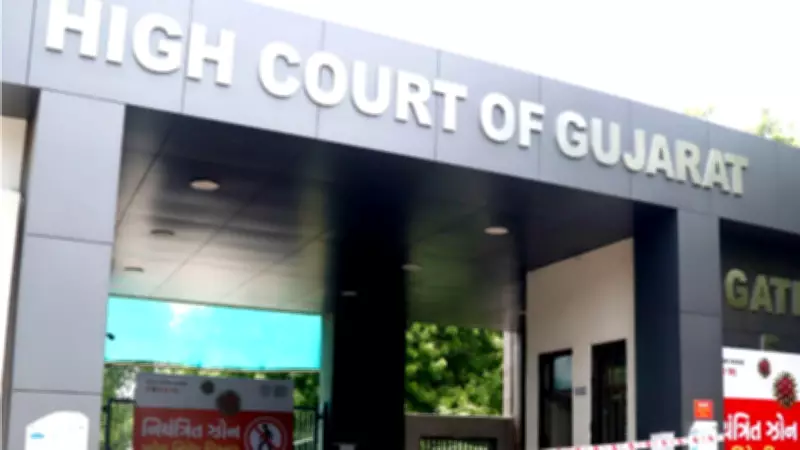
Gujarat High Court Emphasizes 'Guilty Mind' Requirement in Dowry Suicide Case Quashing
The Gujarat High Court has made a significant ruling by quashing and setting aside an FIR related to dowry harassment and abetment to suicide, underscoring the critical legal principle that mens rea, or a guilty mind, is indispensable for establishing such charges. This decision came in the case of a Surat-based woman's suicide, where the court found no evidence of instigation by her husband and in-laws.
Court's Rationale Based on Mental Health History
Justice V K Vyas, presiding over the case, highlighted that the deceased woman had been battling psychotic depression since 2013, well before her marriage in November 2021. The court noted that she had attempted suicide on multiple prior occasions due to her mental health condition, which was supported by medical evidence and statements from her parents.
In its oral order pronounced earlier this year, the court stated, "It is settled that to attract Section 107 of the IPC, the accused must have mens rea to instigate the deceased to commit suicide. The act of instigation must be of such intensity that it is intended to push the deceased to such a position under which he or she has no choice but to commit suicide."
Background of the Case and Settlement
The FIR, lodged at Katargam police station in 2024, alleged that the husband and in-laws taunted the woman over medical expenses and demanded dowry, leading to her initial suicide attempt by consuming poisonous liquid. However, the court considered that:
- The parents of the deceased admitted to her long-standing mental health issues and previous suicide attempts.
- A settlement was reached between the parents and the accused-applicants, with the mother filing an affidavit in support of quashing the FIR.
- The woman had been living at her parental home for ten months prior to the incident due to marital discord, and her parents did not support the version in the FIR.
On January 19, 2024, the woman consumed acid at her parental home and succumbed to her injuries on January 22 at a Surat hospital. The court found no proximate evidence linking the accused to her final act, as there was no record of what happened immediately before the incident.
Legal Implications and Broader Context
This ruling reinforces the legal standard that abetment to suicide requires clear proof of intentional instigation. The court's decision to quash the FIR was influenced by the lack of mens rea and the comprehensive mental health history of the deceased, which predated her marriage.
The case also involved sections of the Indian Penal Code and the Dowry Prohibition Act, but the emphasis on mental health factors sets a precedent for similar proceedings. Advocate Medha Pandya represented the applicants, arguing successfully for the quashing based on the settlement and evidentiary gaps.
This judgment highlights the nuanced approach required in dowry-related cases, where mental health considerations can significantly impact legal outcomes, ensuring that charges are not levied without substantive proof of culpability.