Haryana Government Exercises 'One-Time Magnanimity' in Dropping Case Against Ashoka Professor
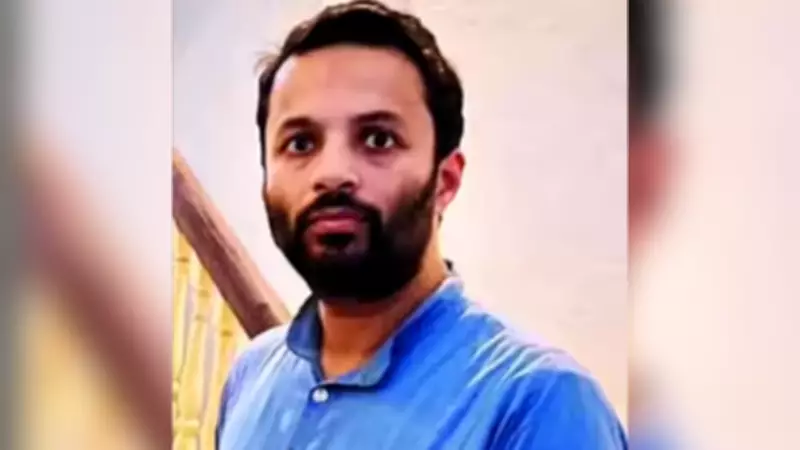
In a significant development, the Haryana government informed the Supreme Court on Monday that it has decided to drop the case against Ashoka University professor Ali Khan Mahmudabad for making objectionable statements regarding 'Operation Sindoor'. The state government described this decision as an act of "one-time magnanimity," effectively closing the legal proceedings against the academic.
Supreme Court Proceedings and Government's Stance
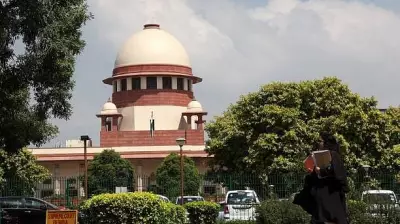
Appearing before a bench comprising Chief Justice of India Surya Kant and Justice Joymalya Bagchi, Additional Solicitor General S V Raju, representing Haryana, conveyed the government's refusal to sanction Mahmudabad's prosecution. This move comes despite the state police having previously filed a chargesheet against him. Raju emphasized that while the case is being closed, the Supreme Court should issue a warning to the professor against making similar statements in the future.
The court accepted the government's offer of "one-time magnanimity" and advised Mahmudabad to exercise caution in his public remarks. The bench noted, "Sometimes reading between the lines conveys a very different message and causes problems," urging the professor to refrain from such statements. They added, "We have no reason to doubt that the petitioner, a highly educated person, will be cautious and act in a prudent manner in the future."
Background of the Case and Legal Developments
Ali Khan Mahmudabad was arrested in May last year following his allegedly objectionable statements about 'Operation Sindoor,' a military operation by Indian armed forces against Pakistan. On May 21, 2023, the Supreme Court granted him interim bail and established a Special Investigation Team (SIT) comprising IPS officers to examine the bona fides of his remarks. The court had also imposed restrictions, barring him from making any further statements about the operation.
During the recent hearing, senior advocate Sidharth Luthra and counsel Mohd Nizam Pasha, representing Mahmudabad, assured the court that the professor understood the message conveyed by the Supreme Court. The bench approved the closure of the case, which was pending before the Judicial Magistrate First Class in Sonepat, Haryana.
Implications and Broader Context
This decision highlights the delicate balance between freedom of expression and national security concerns in India. The Haryana government's move to drop the case, while issuing a stern warning, reflects a nuanced approach to handling sensitive matters involving academic discourse and military operations. It also underscores the judiciary's role in mediating such disputes, ensuring that legal actions are proportionate and just.
The closure of the case against Mahmudabad marks a resolution to a contentious legal battle, but it serves as a reminder of the responsibilities that come with public statements, especially those pertaining to national security and military actions. The Supreme Court's emphasis on prudence and caution from the professor sets a precedent for future cases involving similar issues.