Haryana High Court Nullifies Revival of Class II Regularisation Policy
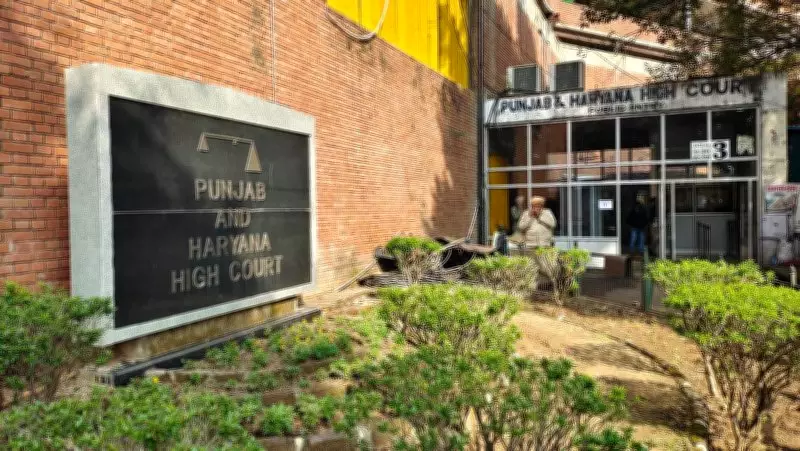
The Punjab and Haryana High Court has delivered a significant ruling, quashing the Haryana government's attempt to revive a policy aimed at regularising Class II employees. This decision marks a pivotal moment in the ongoing legal and administrative discourse surrounding employee rights and government procedures in the state.
Background of the Case
The controversy stems from the Haryana government's move to reintroduce a policy that would have facilitated the regularisation of Class II employees, who often work in temporary or contractual roles. The policy, initially introduced and later shelved, was revived by the state administration in an effort to address long-standing demands from employee unions and to streamline workforce management.
However, the revival faced immediate legal challenges from various stakeholders, including employee groups and public interest litigants. They argued that the policy was flawed on multiple grounds, including procedural irregularities and a lack of adherence to established legal frameworks.

Court's Rationale for Quashing the Policy
In its detailed judgment, the High Court highlighted several critical issues with the policy's revival. The court found that the government had failed to follow due process in reinstating the policy, noting that proper consultations and legal vetting were not adequately conducted. This procedural lapse was deemed a fundamental violation of administrative principles.
Moreover, the court emphasized that the policy lacked a solid legal foundation. It was observed that the revival did not align with existing employment laws and regulations, potentially leading to arbitrary implementation and unfair treatment of employees. The judgment underscored the importance of transparency and fairness in government policies, especially those affecting public sector employment.
Implications for Employees and Government
The quashing of the policy has immediate and far-reaching consequences. For Class II employees in Haryana, this means that hopes for regularisation through this specific channel have been dashed, at least for the time being. Many of these employees have been advocating for permanent status to secure job stability, benefits, and career progression.
On the government side, this ruling serves as a stark reminder of the need for meticulous policy formulation and implementation. The state administration must now reconsider its approach to employee regularisation, ensuring that any future initiatives are legally sound and procedurally robust. This could involve:
- Conducting comprehensive legal reviews before policy announcements.
- Engaging in meaningful consultations with employee representatives.
- Aligning new policies with national and state-level employment guidelines.
Broader Context and Reactions
This case is part of a larger trend of judicial scrutiny over government policies in India, particularly in matters of public employment and administrative law. The High Court's decision reinforces the judiciary's role in upholding the rule of law and protecting citizens' rights against potential governmental overreach.
Reactions to the ruling have been mixed. Employee unions have expressed disappointment, viewing it as a setback in their fight for job security. Conversely, legal experts and transparency advocates have welcomed the judgment, praising it as a necessary check on executive power. They argue that such interventions help maintain accountability and prevent hasty or ill-conceived policy moves.
Looking ahead, the Haryana government may explore alternative avenues to address the regularisation issue, possibly through legislative amendments or new policy frameworks that comply with legal standards. The High Court's ruling is likely to influence similar cases in other states, setting a precedent for how courts handle disputes over employee regularisation policies.