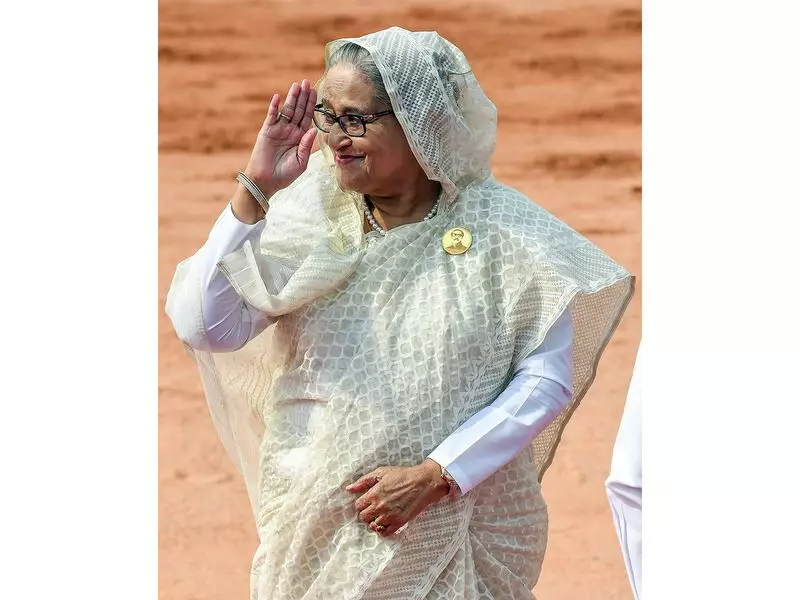
Bangladesh Prime Minister Sheikh Hasina has launched a sharp critique against the country's 2006-2008 caretaker government, holding it responsible for a severe breakdown of law and order. In a pointed address, she connected this period of instability directly to the actions and influence of Nobel Peace Prize laureate Muhammad Yunus.
A Period of Chaos and Political Manoeuvring
Speaking at a recent event in Dhaka, the Awami League leader detailed a grim picture of the past. She asserted that the interim administration, which was meant to oversee a neutral transition to elections, instead presided over a dramatic escalation in violence and criminal activity. "Lawlessness multiplied many times over under that government," Hasina stated unequivocally.
The Prime Minister provided specific allegations to support her claims. She accused the interim authorities of deliberately releasing thousands of hardened criminals from prison across Bangladesh. This move, she argued, was a calculated strategy to create an atmosphere of terror and chaos, destabilizing the nation and targeting her own party's members and supporters through arrests and intimidation.

The Yunus Connection and International Pressure
Central to Hasina's narrative is the role of Muhammad Yunus, the founder of Grameen Bank. She alleged that Yunus wielded significant influence during the caretaker government's tenure. According to Hasina, Yunus actively lobbied powerful foreign nations, including the United States, to support his own political ambitions during this volatile period.
"Dr. Yunus went to America and other countries with a proposal to form a government of his choice," she claimed, framing his actions as an attempt to undermine Bangladesh's democratic process. This accusation ties the domestic spiral of violence to what she perceives as external interference facilitated by Yunus. The Prime Minister's comments reflect the long-standing and deep-seated political rivalry between the internationally celebrated microfinance pioneer and the leader of the Awami League.
Legacy of the Past and Current Political Landscape
The events of 2006-2008 remain a potent and divisive chapter in Bangladesh's political history. Sheikh Hasina herself was arrested during this time, an act her party has consistently denounced as politically motivated. Her latest speech serves to reinforce this historical grievance for the current political context.
By vividly recounting this era, Hasina aims to contrast it with the stability she claims to have established since returning to power in 2009. The allegations also come amidst ongoing legal and administrative challenges faced by Muhammad Yunus, who was recently convicted in a separate labour law case. This context adds a layer of contemporary significance to her historical accusations, positioning the past turmoil as a cautionary tale against alternative centres of power.
The Prime Minister's stark portrayal of the interim period underscores the intense and often personal nature of political conflict in Bangladesh. It highlights how historical narratives of lawlessness, foreign influence, and political vendettas continue to shape the rhetoric and strategies of the country's leading figures today.