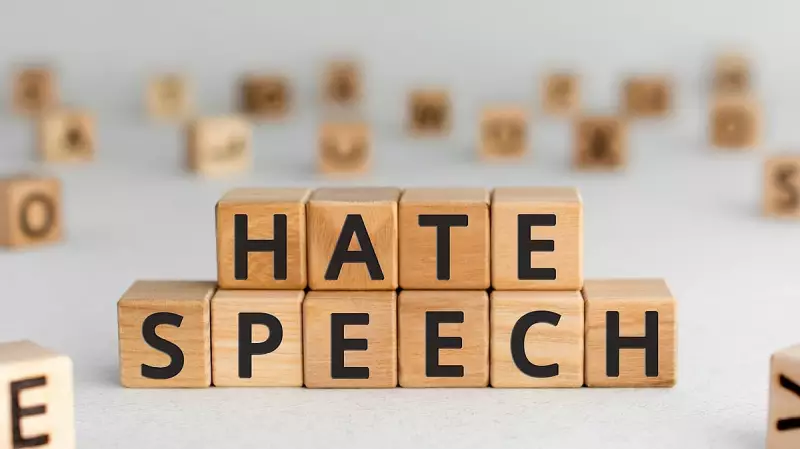
A new legislative push to curb hate speech in India is drawing scrutiny for its striking similarity to existing provisions, prompting experts to question whether it will lead to more law but less practical impact. The development, noted in late December 2025, highlights a critical debate in legal and public policy circles.
The Core of the Controversy: A Familiar Definition
At the heart of the discussion is the definition of hate speech outlined in the proposed Bill. Analysis reveals that this definition bears a significant resemblance to the language already enshrined in Section 196 of the Bharatiya Nyaya Sanhita (BNS), 2023. The BNS is the major criminal code that replaced the Indian Penal Code. This overlap raises immediate questions about the necessity and added value of a separate, new law targeting the same offence with similar terminology.
Legal observers point out that while the intent to strengthen mechanisms against hate speech is clear, duplicating existing legal frameworks may not address the core challenges of enforcement and judicial interpretation. The move suggests a legislative approach that prioritises creating new statutes over effectively implementing current ones.
Potential Implications for Law and Order
The introduction of a law that mirrors the BNS could lead to confusion in its application. Law enforcement agencies and the judiciary may face interpretational challenges, potentially resulting in inconsistent legal outcomes. Furthermore, critics argue that simply having more laws on the statute book does not automatically translate to a reduction in inflammatory speech or its societal consequences.
The real test, they contend, lies in the consistent, impartial, and timely application of the law. Without addressing these systemic issues in the justice delivery mechanism, new legislation risks being merely symbolic. The focus, therefore, shifts from the creation of law to its execution and the broader socio-political will needed to curb hatred effectively.
Looking Ahead: Efficacy Over Expansion
The debate surrounding this Bill underscores a larger question in governance: is the solution to complex social problems always more legislation? The similarity to Section 196 of the BNS 2023 suggests that the legal tools may already exist. The challenge appears to be one of deterrence, speedy trials, and creating a cultural and political environment that discourages hate speech.
As this proposed law moves through the legislative process, its proponents will need to demonstrate how it uniquely addresses gaps left by the Bharatiya Nyaya Sanhita. Otherwise, it may be perceived as an exercise in redundancy, offering little beyond what is already mandated by the country's primary criminal code. The ultimate impact on curbing hate speech will depend not on the number of laws, but on their smart design and robust implementation.