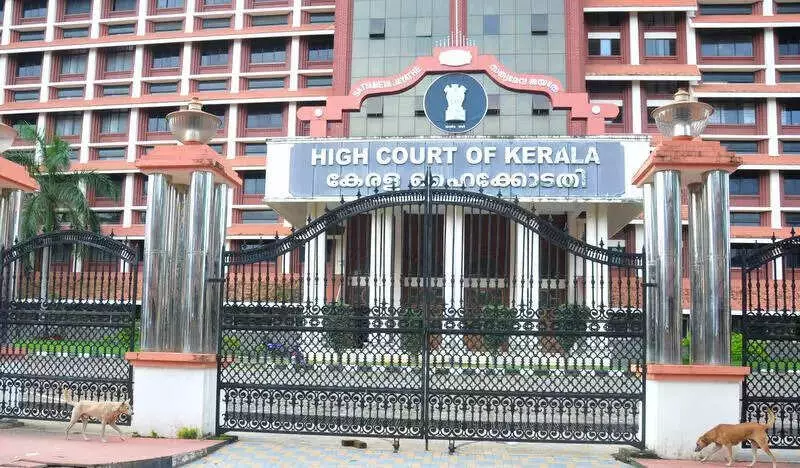
The Kerala High Court has postponed the hearing of crucial appeals concerning the controversial Malayalam film 'Haal' to next Monday. A division bench comprising Justices Sushrut Arvind Dharmadhikari and P V Balakrishnan announced the adjournment on Thursday.
Core of the Legal Dispute
The appeals have been filed by two distinct parties: the Central Board of Film Certification (CBFC) and the Catholic Congress of the Thamarassery diocese. Both are challenging an earlier order passed by a single judge of the same court.
The legal battle began when the CBFC issued a notice to the film's producer, Juby Thomas, suggesting six cuts for the movie to receive certification. However, the single bench set aside this notice. The judge upheld only two of the suggested excisions and directed the CBFC to reconsider the certification application if the film was submitted with those specific modifications.

Grounds of the Appeals
The CBFC, in its appeal, has argued that the excisions it recommended were well within the official guidelines for film certification. The board contends that the single bench overstepped by interfering with its expert recommendations.
Simultaneously, the Catholic Congress has filed a separate appeal on different grounds. The organization contends that 'Haal' contains objectionable content that disparages the Christian community. A significant point of contention is the alleged portrayal of the Thamarassery bishop as a supporter of interfaith marriages. The appeal states that this depiction was made without seeking permission from either the bishop or the diocese, leading to serious allegations of misrepresentation.
Special Screening for the Judges
In an unusual step to better understand the context of the appeals, the division bench watched the movie 'Haal' on Wednesday. A special screening was arranged at a private studio in Kakkanad, Kochi. This viewing was a key part of the court's process to consider the merits of the appeals filed by the CBFC and the religious group.
The adjournment to Monday provides all parties involved additional time before the court proceeds with further hearings on this sensitive case that sits at the intersection of creative freedom, regulatory authority, and community sentiment.